Kakadu National Park epitomises a close and deep relationship between Aboriginal Australians and their ancestral land, covering 19804 square kilometres of diverse ecological and cultural landscapes. The park is situated in the Northern Territory of Australia, serving as home not only to many endangered species of plant, birdlife, and insect species but also a living cultural landscape shaped through a thousands of years system of Aboriginal stewardship. This paper seeks to explore how Kakadu has evolved from ancient times to its current status as a UNESCO World Heritage site, with particular emphasis on the critical role played by its traditional owners in conserving both natural and cultural elements in this unique area.
Aboriginal Heritage and the Foundation of Kakadu
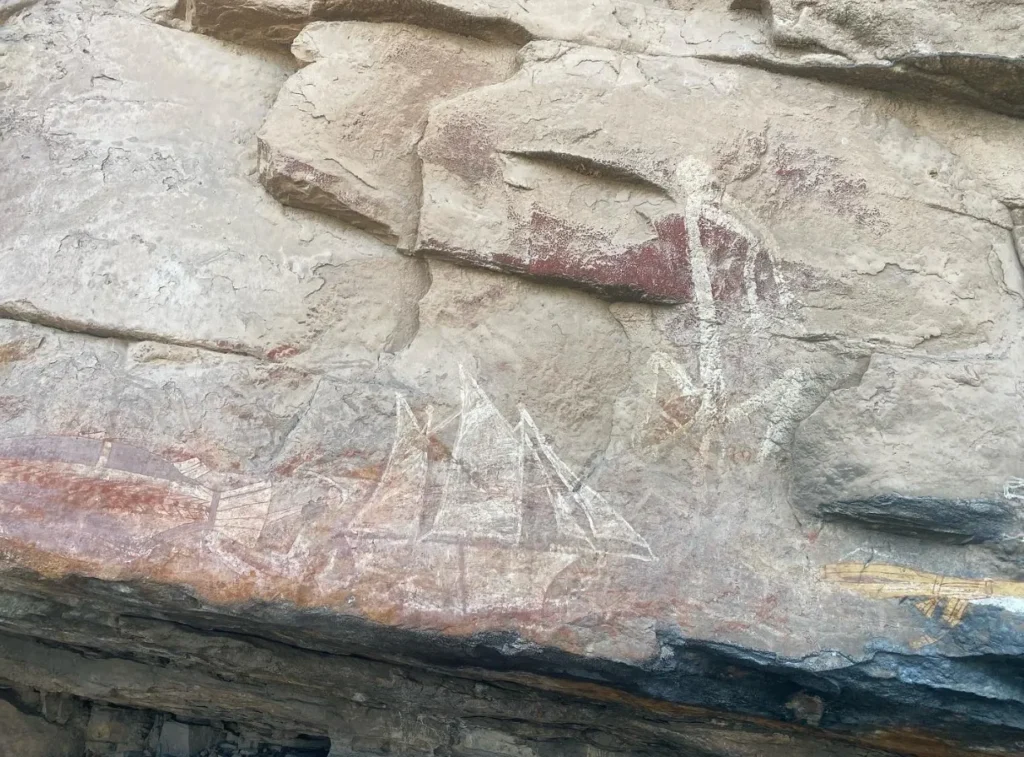
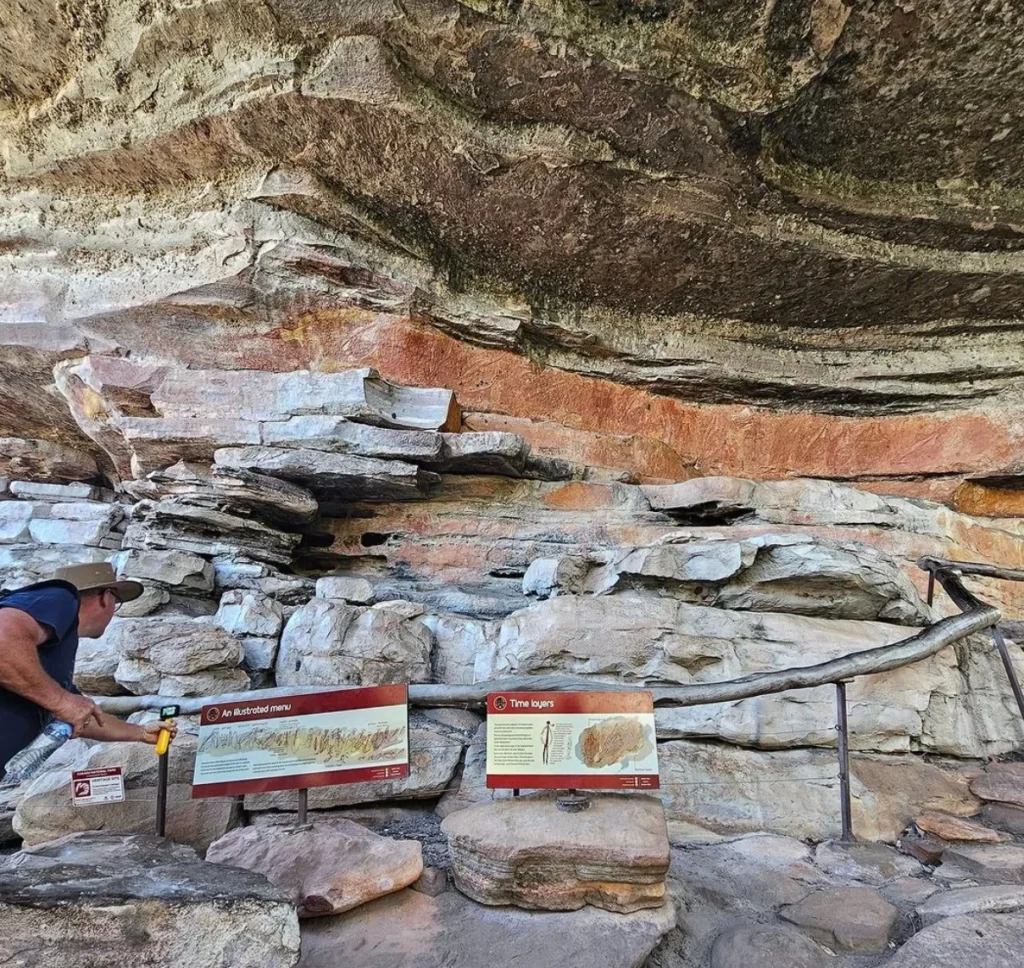
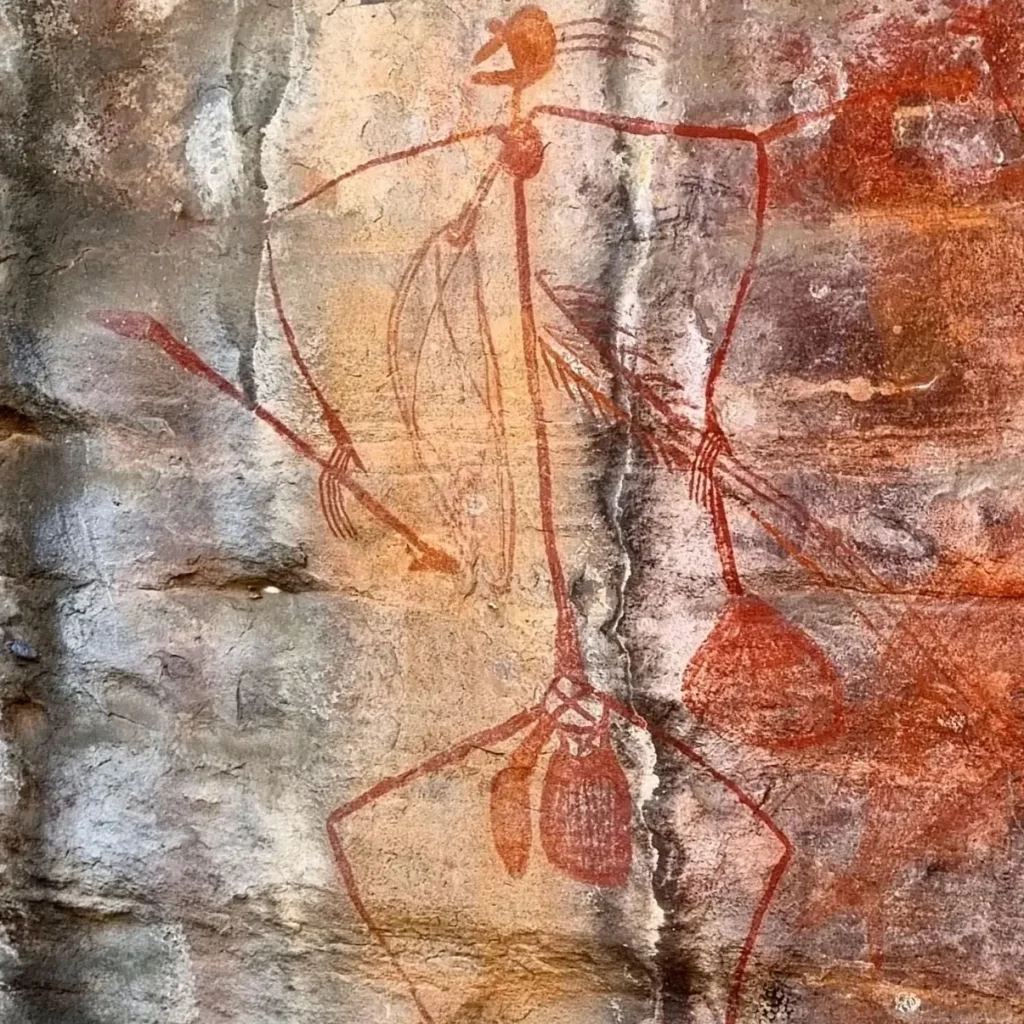
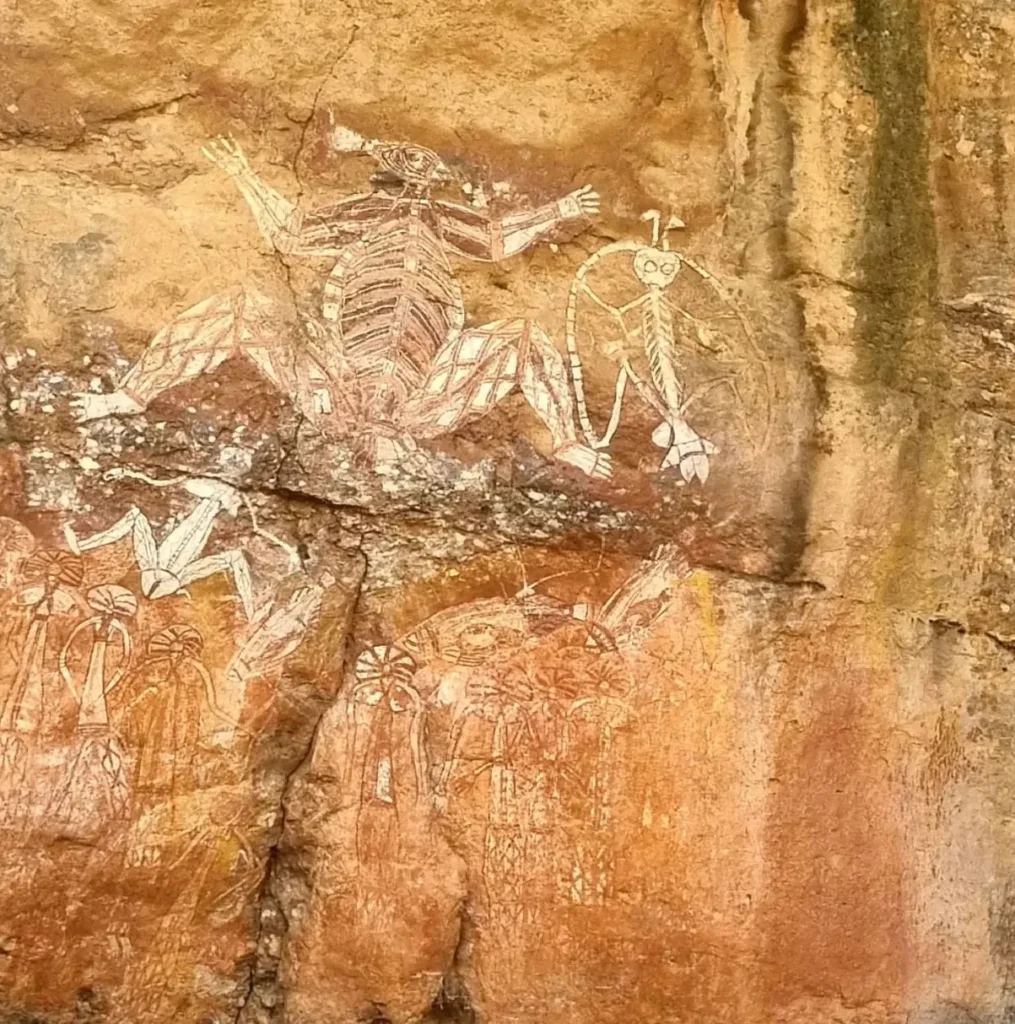
Even before it was declared a national park in 1979, the story of Kakadu National Park began much earlier than that; it originates based on the Aboriginal culture and Arnhem Land escarpment antiquity. For over 65,000 years, Indigenous peoples have inhabited this region, living harmoniously within dynamic environments ranging from rocky escarpments down to lush tidal flats. These continuing traditions are most graphically illustrated through extensive archaeological sites and ancient rock art found on cave walls such as those at Nourlangie Rock and Ubirr.
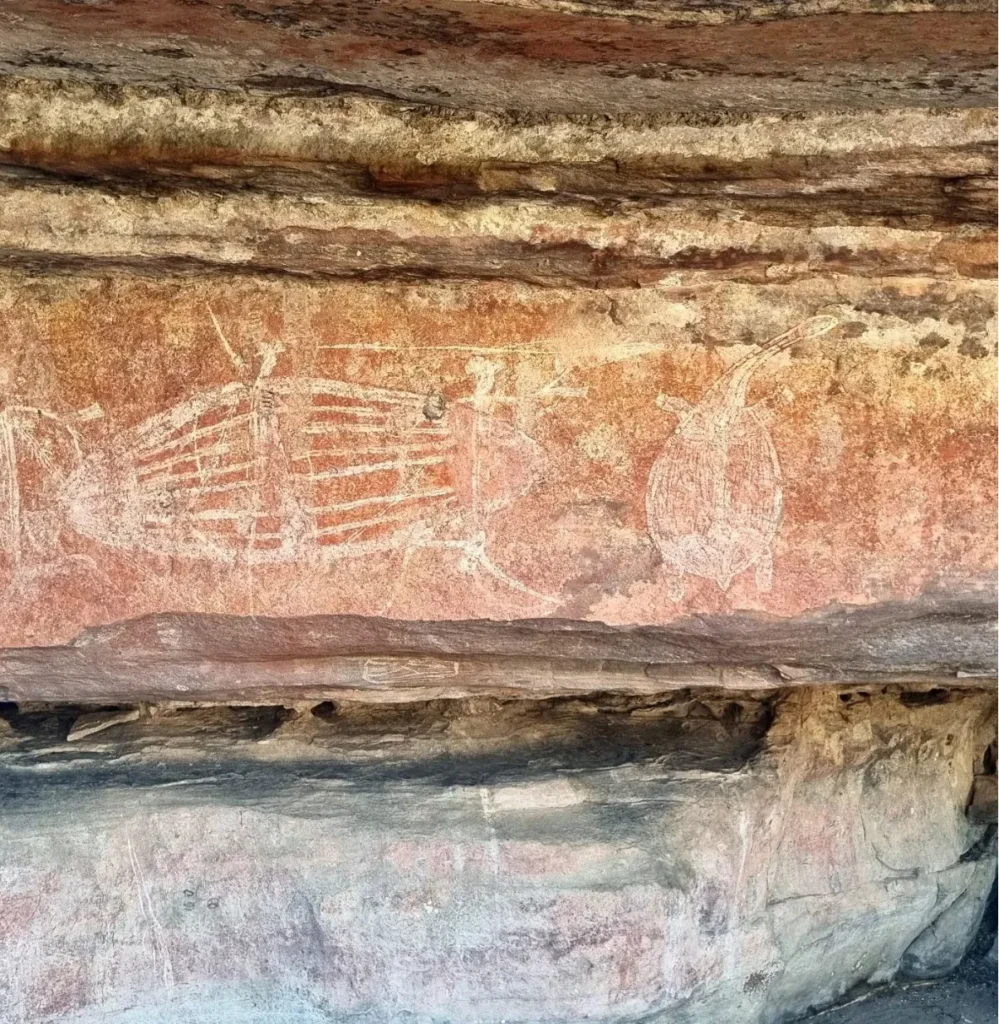
These sites are not only archaeological relics but active ones that remain sacred for aboriginal communities, which believe they hold cultural truths about their pasts. Among these rock art sites are some that make up the most detailed records of Indigenous cultures across the globe, particularly within Kakdu itself. They contain depictions ranging from daily life events of Aboriginal people, including spiritual rituals they performed, to faunal composition changes experienced throughout different periods.

The Role of Traditional Owners and Parks Australia in Management
It is a unique kind among Australian national parks for Kakadu NP’s management which has been achieved jointly between traditional owners’ groups with Parks Australia (PA). Guided by its Plan of Management, which integrates traditional Aboriginal knowledge with contemporary conservation practices, this partnership is known as joint management. This approach not only helps protect the area’s vast natural values but also enables ongoing community involvement in decision-making regarding their ancestral lands.
Such an model has allowed for a delicate ecosystem-based management strategy to be developed within the park; starting from tidal mudflats and monsoon rainforests, to stone country with endemic species occurring. Their indigenous people’s knowledge contributed immensely in maintaining biodiversity of this park and ensuring ecological balance of this region.
Impact of European Settlement on Kakadu
In the 19th century, when Europeans started settling in Northern Australia, there was an enormous change in the landscape and the lives of aboriginal populations. The introduction of pastoral leases, small-scale mining activities as well as feral animals led to significant alterations of both natural environments and lifestyles among indigenous communities. For example, records from that time detail interactions between non-Aboriginals and Aboriginal communities, often bearing on conflicts or challenges arising out of different perceptions towards land use and resource management.
UNESCO World Heritage Designation and Its Significance
Since 1981, Kakadu National Park has enjoyed recognition as a UNESCO World Heritage Site in relation to both natural and cultural values. This designation calls for more attention towards preserving such sites where cultural heritage is inseparable from natural history. The criteria for this selection are significant in that they show that the park is universally recognized due its well-preserved ancient rock art evidences of human civilization, archaeological sites, as well as the existing traditions among its Aboriginal people.
Table: Major Contributions to Kakadu’s World Heritage Status
| Criteria | Description |
|---|---|
| Natural values | Home to over 280 bird species, 60 mammal species, and more than 1,700 plant species, Kakadu’s biodiversity is unparalleled. |
| Cultural values | The rock art sites and archaeological records provide a window into the lives of the Aboriginal people over millennia. |
The Geological and Ecological Diversity of Kakadu
It has an ecology as varied as its geology; it contains everything from ancient sandstone formations to huge tidal flats supporting a unique fauna. The park’s geological underpinning contributes to this rich biodiversity, including endemic species found nowhere else on Earth. Whereas some plants flower only once every few years, others grow profusely during brief periods when water is available before drying up again. This leads to vast expanses of dry land that can be reached by humans and animals alike, thus giving visitors glimpses into the remarkable beauty found in this area of Australia (Moss, 2019).
Major River Systems and Their Impact
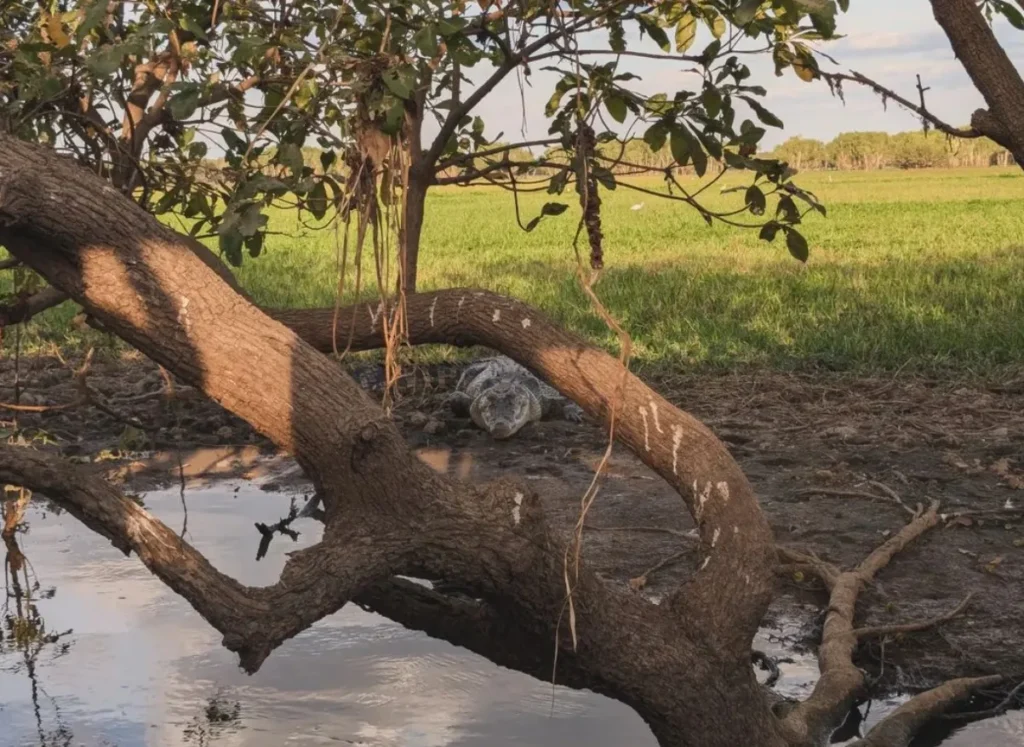
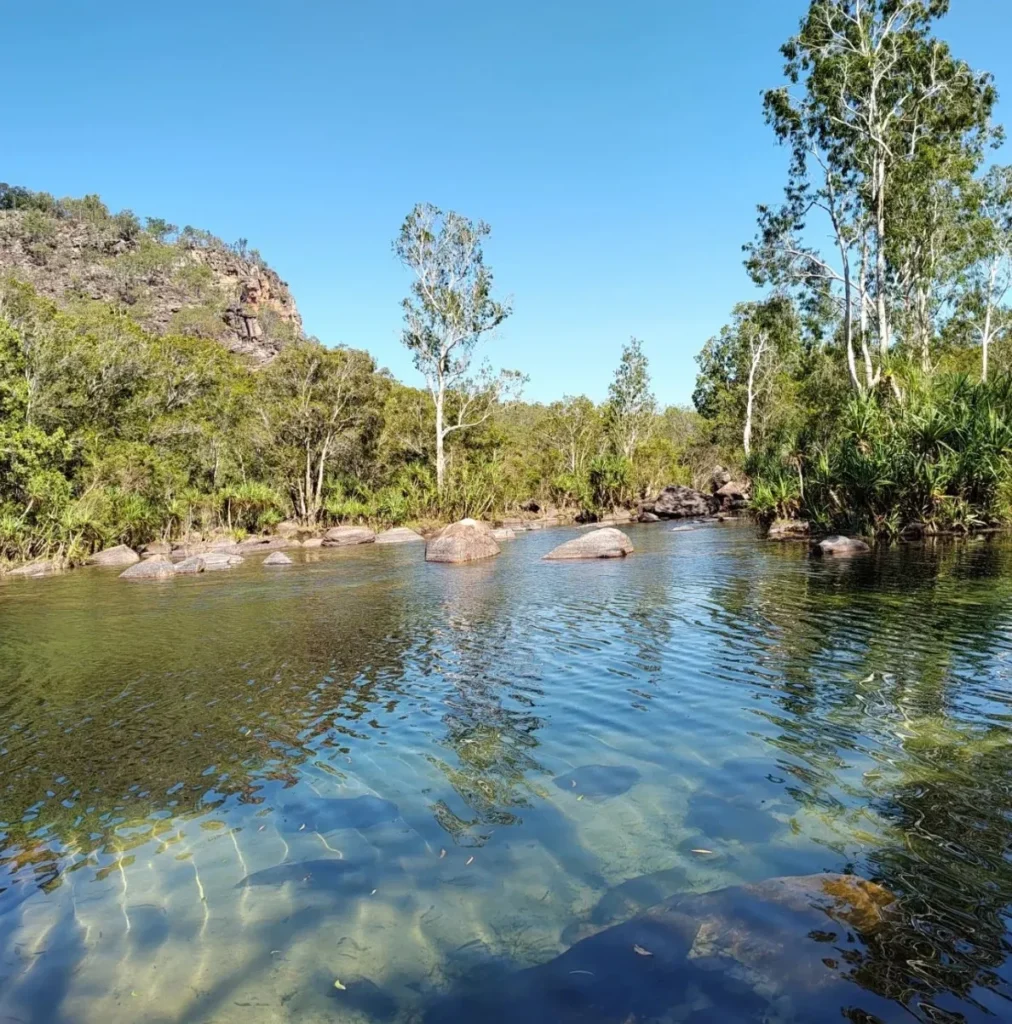
The major rivers that run through the park are the East Alligator River, South Alligator River and Mary River. Each river has a complex ecosystem of both terrestrial and aquatic species. Besides being a vital water resource, the rivers have environments that support diverse life forms, including crocodiles, fish and migrating birds.
Table: Kakadu’s River Systems and Their Key Species
| River | Key Species |
|---|---|
| East Alligator River | Saltwater Crocodiles, Barramundi |
| South Alligator River | Mangrove Jack, Kingfishers |
| Mary River | Water Buffalos, Jabirus |


Cultural Practices and Their Modern Implications
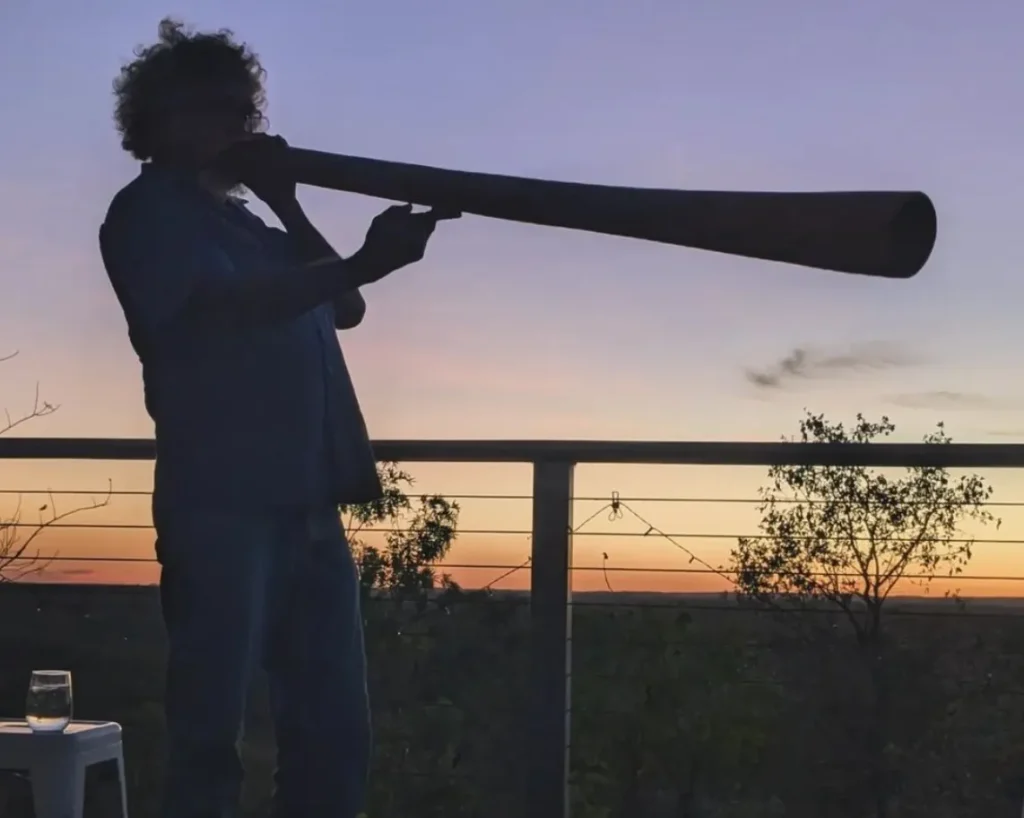
Management practices within Kakadu Park derive from deep roots in aboriginal traditions that have been interwoven with modern conservation needs. Implementing current management practices is based on the indigenous people’s profound knowledge of natural cycles in their lands (Gardner & Beetham, 2018). It is simply an amalgamation of ancient customs with modern scientific approaches as they manage things using centuries old traditional methods. This knowledge is essential for resources management which calls for proper utilization of natural resources without depleting them thus preventing loss of biodiversity in the park.
Indigenous Land Claims and Rights
Acknowledging and incorporating Aboriginal land rights into Kakadu management has been crucial. These rights ensure that the traditional owners’ connection to their ancestral lands is recognized as well as their involvement in the decision-making processes that affect them. Land claims, which have been settled in favour of the Aboriginal communities, have contributed to a broader understanding of indigenous rights in Australia resulting in a more inclusive approach towards park management.
The Challenges of Conservation
Kakadu faces several conservation challenges notwithstanding its protected status. Invasive species, climate change and increasing Kakadu day trip from Darwin tourism pressure call for consistent attention and flexibility from park administrators. Each issue presents unique challenges that require innovative solutions, often combining indigenous knowledge with scientific research.
Future Directions in Conservation and Management
As such, moving forward, Kakadu National Park management must remain adaptable to changing environmental circumstances and trends within both the natural ecosystems it supports and those seeking its services. This ongoing process will require the continued cooperation between traditional Aboriginal owners of the land and those responsible for running the park so that both can come up with strategies meant to conserve this area’s cultural and natural heritage.
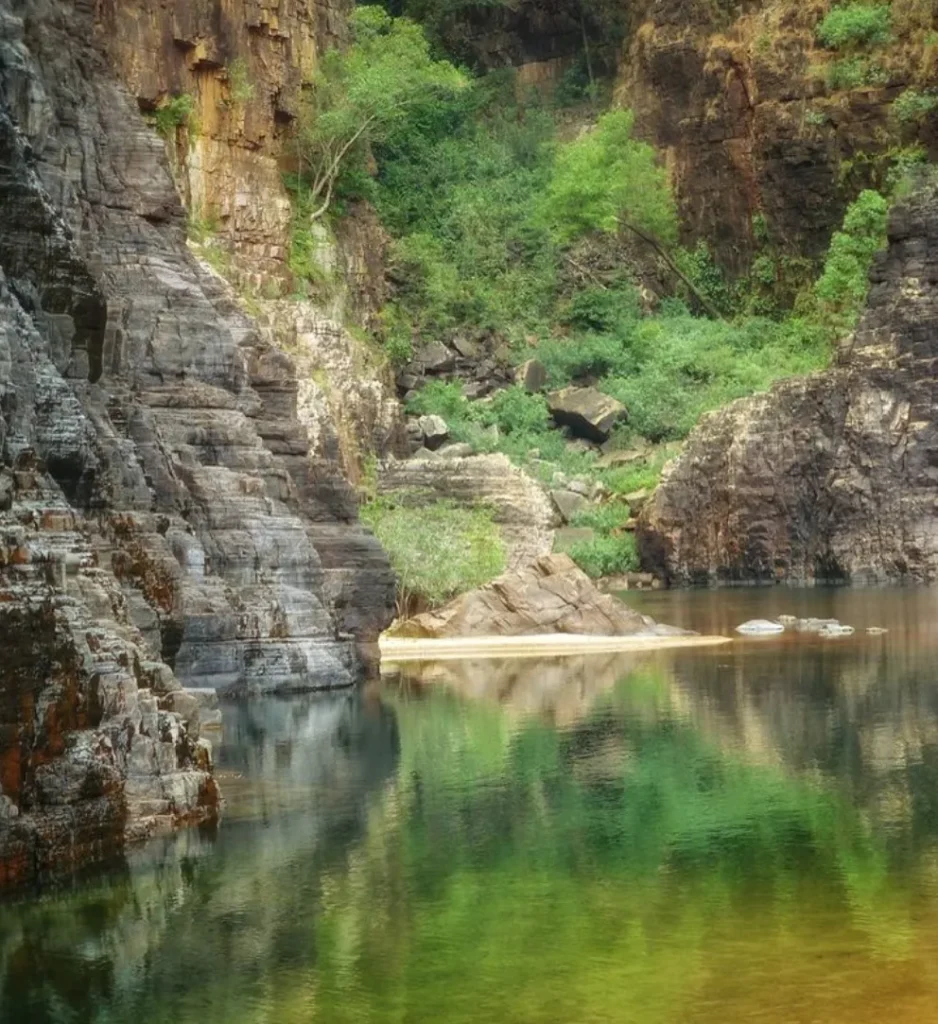
More than just an expansive wilderness full of flora and fauna, Kakadu National Park represents an intricate tapestry of anthropological history throughout the ages. It is through their aboriginal trickery that we find ourselves inside Kakadu national park today – indigenous people’s knowledge has shaped the landscape over thousands of years As a World Heritage Site declared by UNESCO, the site attracts tourists from all parts but more especially serves as a reservoir of knowledge sustainable living practices as well as how much importance culture bears when it comes to conservation.
FAQs About Kakadu National Park
What makes Kakadu National Park different from other world conservation areas?
This is due to its two-fold World Heritage listing, which acknowledges its cultural values alongside natural wealth. The vast diversity of life forms within the park coupled with its unique aboriginal heritage reflects the co-dependence of people and animals.
How do the traditional owners manage Kakadu?
Traditional owners of Kakadu are an integral part of park management working together with Parks Australia to implement practices that represent both traditional knowledge and modern conservation science. This ensures that cultural appropriateness is maintained while at the same time making sure that ecological sustainability is achieved in managing the park.
What are the major challenges facing Kakadu’s conservation effort?
Kakadu faces threats from invasive species, climate change and tourism impacts. These issues must be managed carefully so that ecosystems and cultural values are preserved for future generations.
How has being a UNESCO World Heritage Site affected Kakadu?
Thus being a world heritage site has brought international focus on kakadu as well as funding towards it supporting conservation projects and increasing global awareness about its unique ecological and cultural resources.
What plans have been laid out to secure future sustainability at Kakadu National Park?
To ensure this, some of the future plans for Kakadu include joint management improvements, ecological impact research, and further integration between traditional knowledge systems with regard to conservation efforts, all aimed at maintaining it as a constantly changing living cultural landscape as well as a model of sustainable development.
What is the best Kakadu Darwin tours?
Some of the best tours for exploring Kakadu National Park from Darwin include the 3 Day Kakadu Tour for $800, which offers a comprehensive exploration of both national parks, and the 4-Day Kakadu Adventure for $2060, which includes visits to significant cultural sites and natural attractions