Cosmetic tattooing is more than just a trend — it’s a skilled trade and a thriving career path for anyone with a passion for beauty and a head for business. But do you know what qualifications do you need to become a cosmetic tattoo artist?
At Cosmetic Tattoo Melbourne Studio, we’ve seen firsthand how the right training and support can turn beginners into confident professionals. Whether you’re exploring a cosmetic tattoo course to expand your beauty experience or dreaming of launching your own studio, you’re in the right place. So you’re eyeing off a career in cosmetic tattooing. Maybe it’s the freedom of running your own tattoo studio. Maybe it’s the buzz of giving someone their dream brows. Or maybe you’ve had your own eyebrow tattoos or lip tattooing done, had a few follow-up questions, and now you’re wondering — could I actually do this for a living?
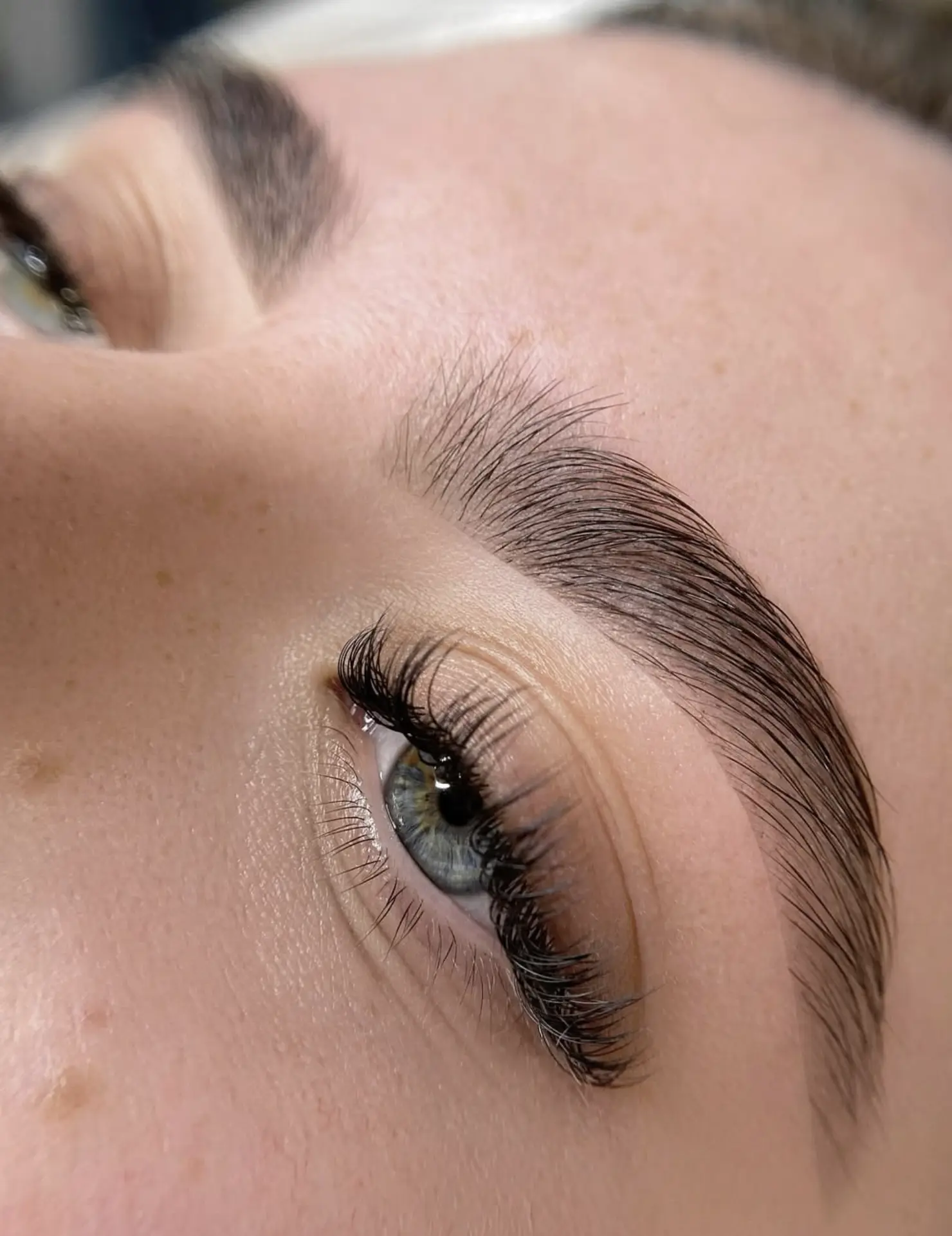
Short answer? Yes — but not without the right practical training, qualifications, and a deep respect for skin types (and hygiene). The cosmetic tattooing industry in Australia is booming, but it’s not the Wild West. There are strict rules for licensing, health compliance, professional standards, and who can legally perform procedures like lip blush, eyeliner tattooing, or eyebrow tattoos.
Let’s break down exactly what you need — and what to watch out for — before you go buying a machine and tattooing your cousin’s sparse eyebrows.
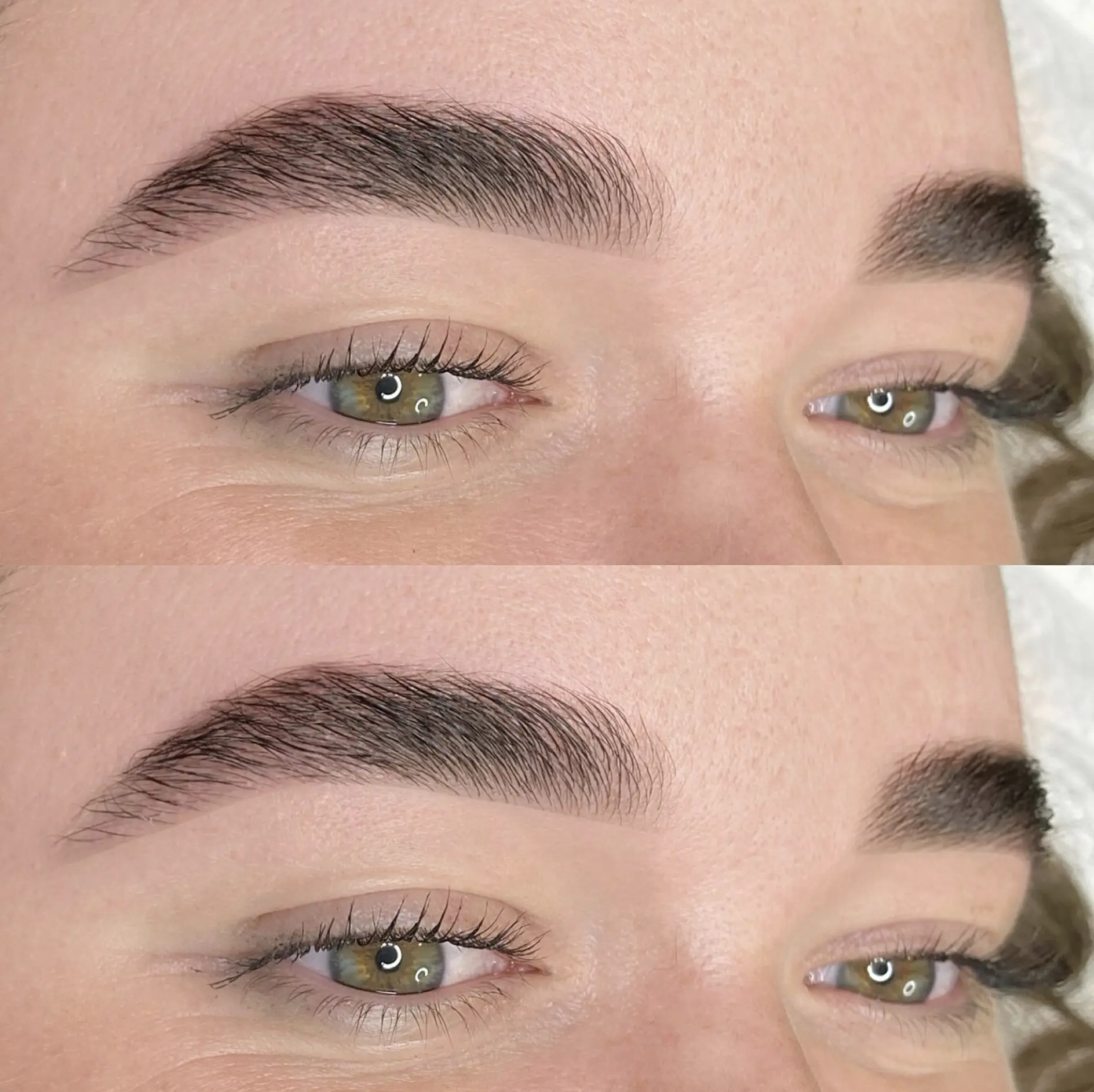
Legal and Licensing Requirements
First up, every cosmetic tattooist in Australia needs to meet basic legal requirements. These vary slightly by state, but here’s the baseline:
Health and Skin Penetration Licences
If you’re tattooing human skin, you’re performing a skin penetration procedure. That means you’re legally required to follow public health laws designed to protect both the artist and the client.
Here’s what that usually involves:
- Registering your premises with your local council as a skin penetration business
- Holding a personal infection control qualification (typically HLTINF005 or HLTINF006 — key infection prevention units)
- Following your state’s Public Health Act and any relevant skin penetration regulations
For example, in NSW, cosmetic tattooists must comply with the Public Health Regulation 2022 and notify the local council before starting operations. In Victoria, similar requirements apply under the Public Health and Wellbeing Act 2008.

Insurance
Professional indemnity insurance is not just a good idea — it’s essential. It protects you if something goes wrong and helps you meet local business requirements.
You’ll want:
- Public liability insurance (to cover accidents in your studio)
- Professional indemnity insurance (to cover claims related to your work)
Some councils require proof of insurance before they’ll approve your business registration.
What Training Do You Actually Need?
Here’s where the waters get a little murky. There’s no nationally recognised qualification (yet) that’s mandatory across all states for cosmetic tattooing. But there are industry standards — and some training is essential.
Infection Control
This one’s non-negotiable. Every artist must complete:
- HLTINF005: Maintain Infection Prevention for Skin Penetration Treatments, or
- HLTINF006: Apply Principles of Infection Prevention and Control (newer units as of 2024)
These nationally recognised individual units are often delivered by TAFEs or RTOs (Registered Training Organisations). If your course doesn’t include this, you’ll need to complete it separately.
Cosmetic Tattooing Courses
You’ll also need hands-on experience and comprehensive training in tattooing techniques. Whether you’re enrolling in your first cosmetic tattoo course or levelling up with advanced techniques, look for study options and class training dates that cover:
- Brow mapping and symmetry
- Pigment theory and colour correction
- Principles of design and colour choice
- Machine use, needle types, and access to equipment
- Skin anatomy and understanding of skin types
- Real clients and class models
- Client consultations and consultation techniques
- Touch-up protocols, aftercare instructions, and aftercare advice
- Actual tattooing process on class models and real skin
These are usually offered as short accredited courses or private academy training — and often fall under the umbrella of a cosmetic tattoo course designed to give you both theory and hands-on experience. Some offer certificates of completion — others may offer a more structured training program, like a Diploma of Cosmetic Tattooing or advanced courses, depending on the provider.
Look for training organisations with:
- A solid reputation and experienced assessors
- Practical assessments, class models, and tools for practice
- A strong ethical standard and safety record
- Training experience working with thousands of skins
- Dynamic content tailored to current beauty trends and treatment specialisations
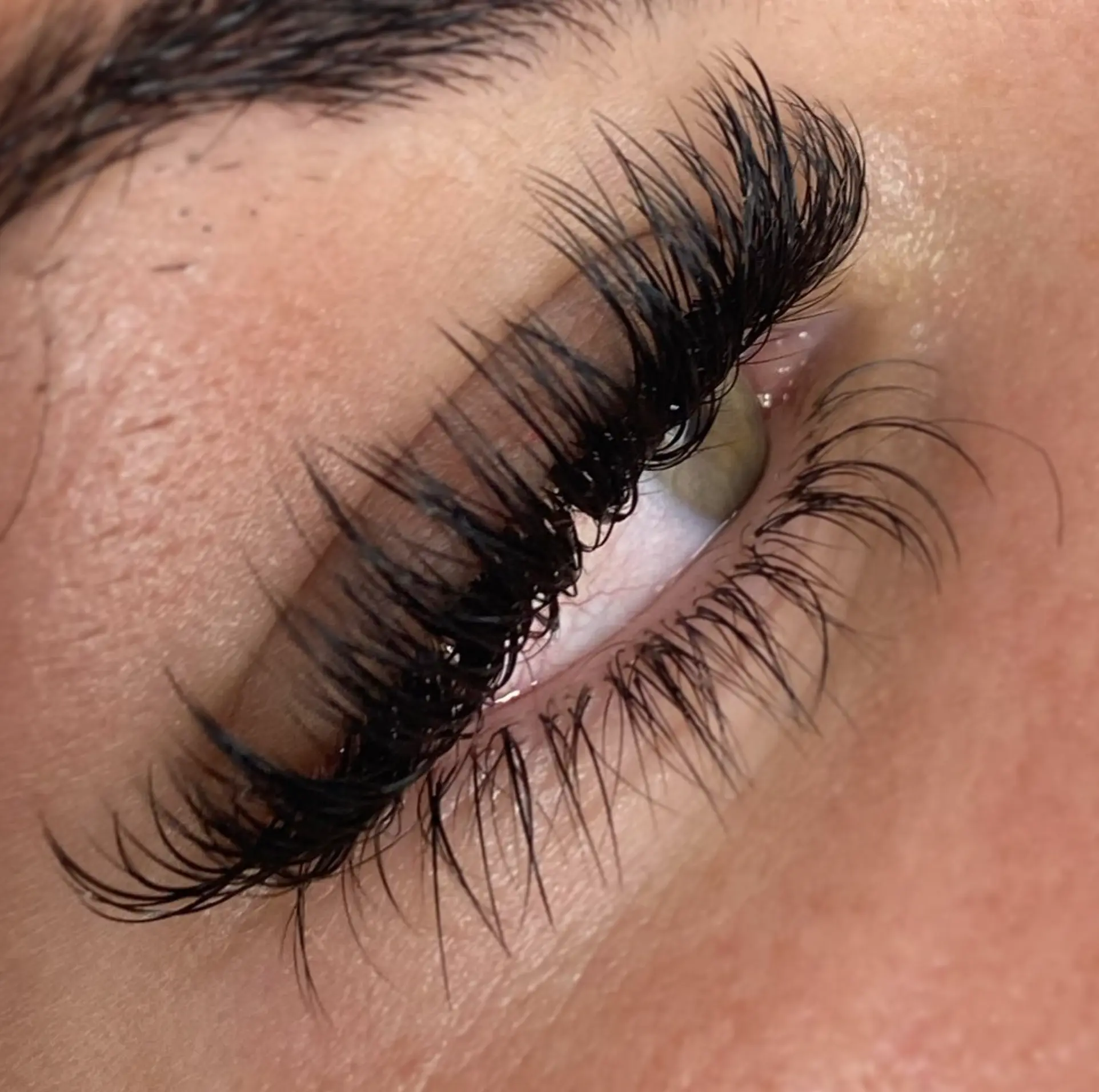
Comparing Training Options in Australia
| Training Type | Duration | Accredited? | Cost Structure (AUD) | Includes Infection Control? |
|---|---|---|---|---|
| Private Academy (Short Course) | 3–10 days | Sometimes | $3,000–$10,000 | Sometimes |
| TAFE or RTO (Units or Diplomas) | Weeks–months | Yes | $5,000–$15,000 | Often |
| Online Courses (Non-practical) | Varies | No | $300–$2,000 | Rarely |
Note: Always check if your chosen training organisation is listed on training.gov.au or has a CRICOS registration (if applicable).
What Skills Actually Matter
Being a great cosmetic tattooist isn’t just about passing a course. In the treatment room, clients trust you with their face — and that requires:
- Strong communication and consultation techniques: to guide nervous clients and explain realistic outcomes
- Fine motor control and artistic skills: to deliver consistent, precise results every time
- An understanding of skin types: including how pigment behaves on oily, mature, or scarred skin
- Colour theory and modern techniques: so you avoid cool-toned brows turning blue months later
- Ongoing learning mindset: because beauty innovations, tools, pigments, and operational strategies evolve
It’s about more than beauty routines — it’s a beauty career head with a passion for beauty and serious specialised skills. The majority of learning happens with practical experience.
Shady Operators and Legal Grey Areas
Let’s be honest: there’s still a wild-west vibe in parts of this beauty industry. Not every trainer is legit, and not every tattoo studio is working within their scope.
Red flags to watch for:
- Trainers who promise you’ll be “certified in two days” with no class models or practical assessments
- Tattoo studios operating without infection prevention certification or ethical standards
- Artists offering tattoos for lips or tattoos for eyes without proper comprehensive training
- Misleading online content around “semi-permanent” or “no-pain” treatments
If you’re doing tattoos for eyebrows, lips, or eyes, you’re working very close to sensitive areas. That’s not the time to cut corners or copy techniques from TikTok.
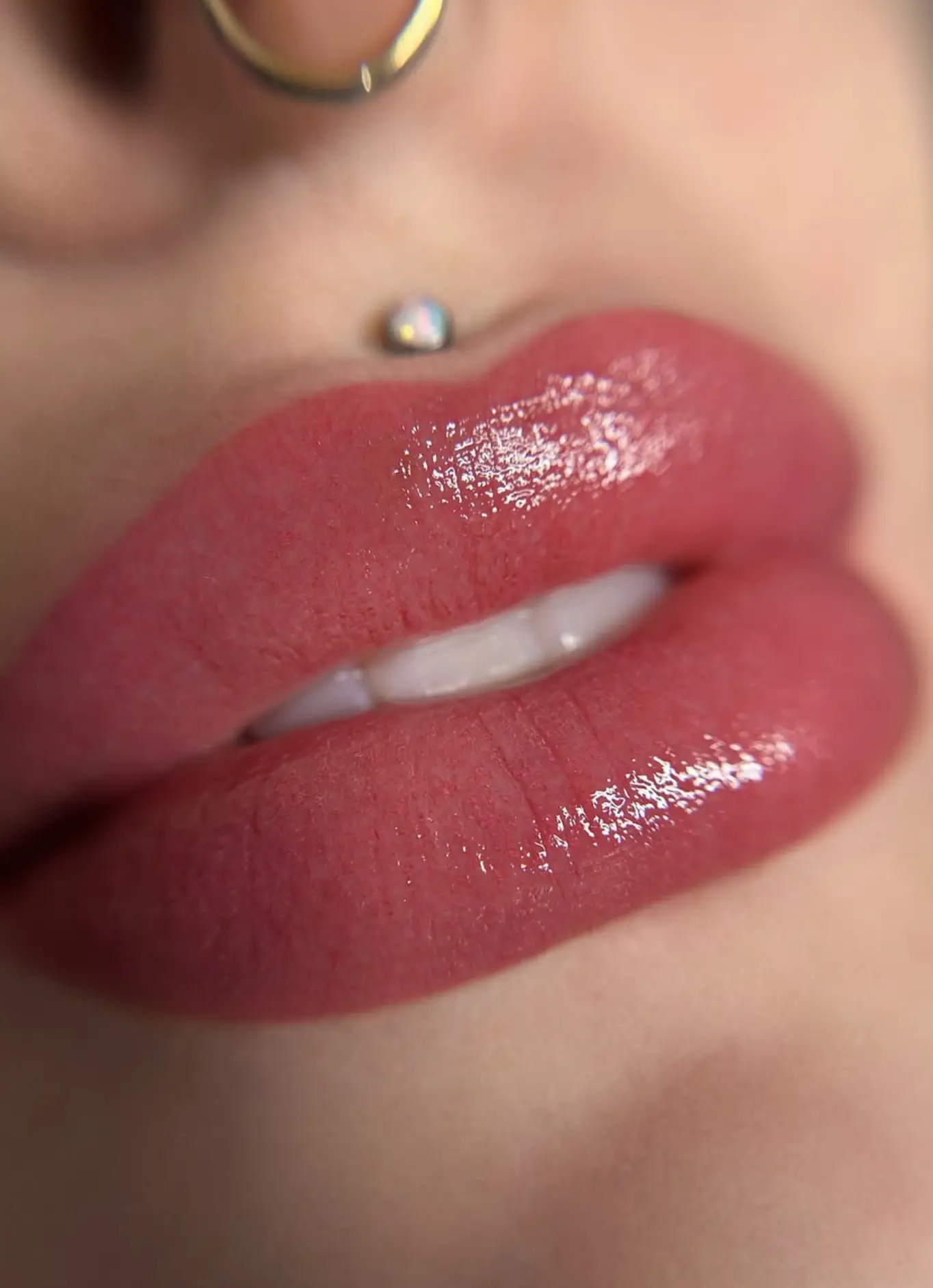
Where the Industry’s Heading in 2025
According to the Australian Beauty Industry Survey (2025), cosmetic tattooing saw a 17% increase in demand services last year — especially in regional areas and among over-40s seeking subtle, natural beauty enhancements.
There’s also growing regulatory pressure. The Australian Skills Quality Authority (ASQA) is currently reviewing standardised frameworks for cosmetic tattoo qualifications, aiming for national consistency by 2026.
Translation? Training experience and real qualifications are becoming more important. The beauty professional who keeps up with industry trends and advances their skills will be in high demand.
Final Thoughts
If you’re ready to start your learning journey as a cosmetic tattoo artist:
- Book into a proper training program with in-person class models and practical assessments — not just theory.
- Complete your infection prevention training — this is often a separate unit of study.
- Register your business with your local council and ensure your premises are compliant.
- Get insured — public liability, professional indemnity, and business skills matter.
- Build your business plans and keep learning. The best artists — and the most experienced technicians — never stop refining their practice tools or studying advanced techniques.
You’re not just giving people brow tattoos or lip tattooing. You’re helping them feel more at home in their face. That comes with responsibility — and if done right, a whole lot of reward.
FAQ
Do I need a qualification to start cosmetic tattooing in Australia?
You don’t need a formal diploma, but you must complete relevant units in infection prevention and have practical experience. Your studio also needs to meet council compliance.
Can I learn cosmetic tattooing online?
You can start your learning experience online for theory, but practical training and hands-on experience with real clients and class models are essential.
How long does it take to become a qualified cosmetic tattoo artist?
Anywhere from a few weeks to several months, depending on your study options, units of study, and whether you’re working part-time.
Is cosmetic tattooing regulated in Australia?
Yes. It falls under state-based health laws regulating skin penetration and treatment electives. Ethical and operational standards are becoming stricter.
How much can a cosmetic tattoo artist earn in Australia?
It varies. New artists might earn $300–$500 per week, while experienced tattoo artists in busy studios can make $2,000–$5,000+ per week — depending on skillset, advanced courses, and client demand.