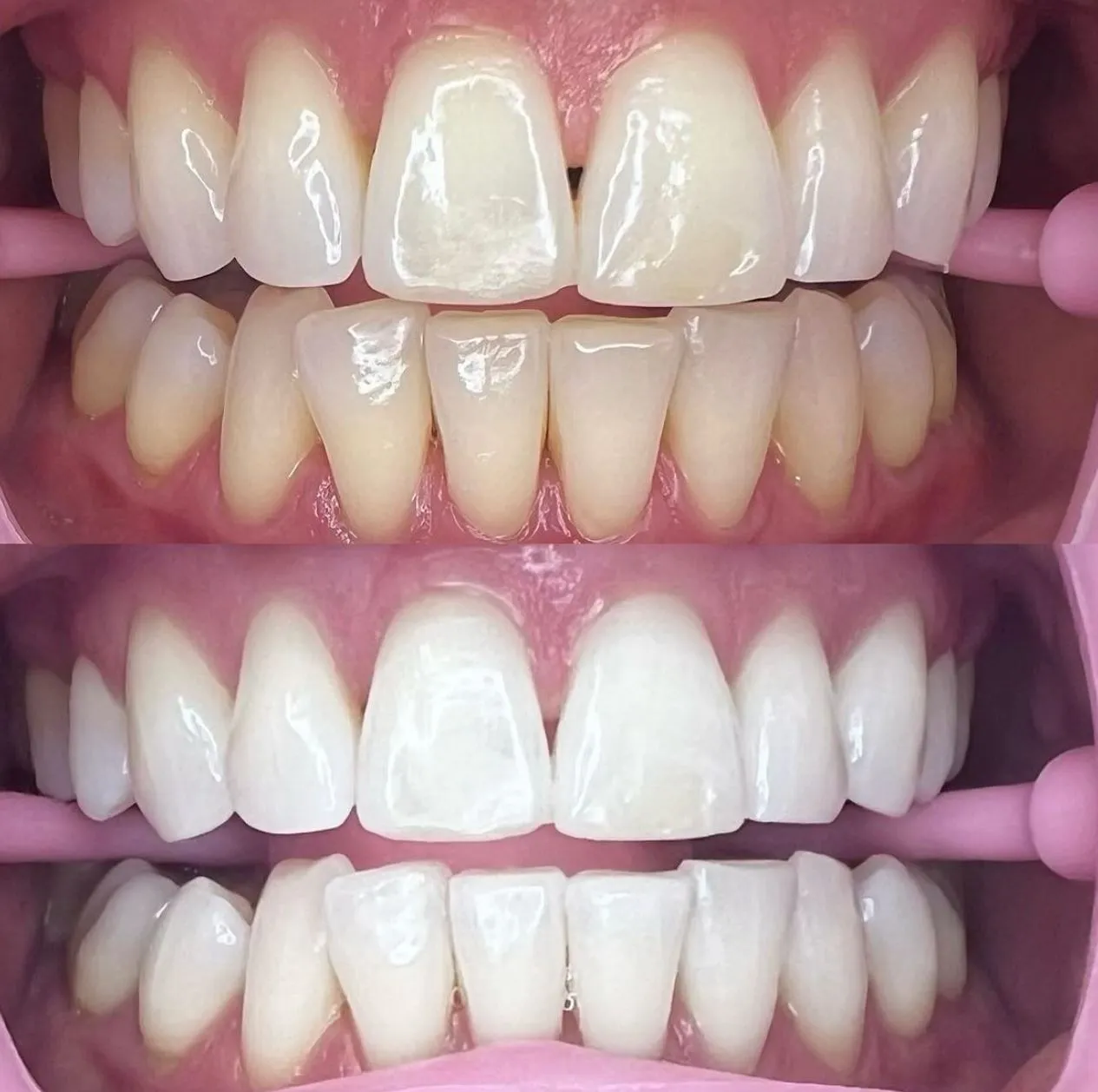
You’ve probably seen it on Instagram, in salons, even at your local brow bar: LED lights, whitening gels, and claims of a “Hollywood smile in 30 minutes.” Cosmetic teeth whitening has gone mainstream. But if you’re not a dentist, can you legally offer this service? And more importantly, should you?
This post tackles the question head-on: Can I legally learn teeth whitening as a non-dentist? We’ll break down the legal grey zones, cosmetic regulations, safety standards, anatomy of teeth, and industry expectations in the beauty industry, including what to watch for when choosing a course or teeth whitening course.
Spoiler: The answer isn’t black and white — but we’re about to illuminate it.
What’s the Hype About?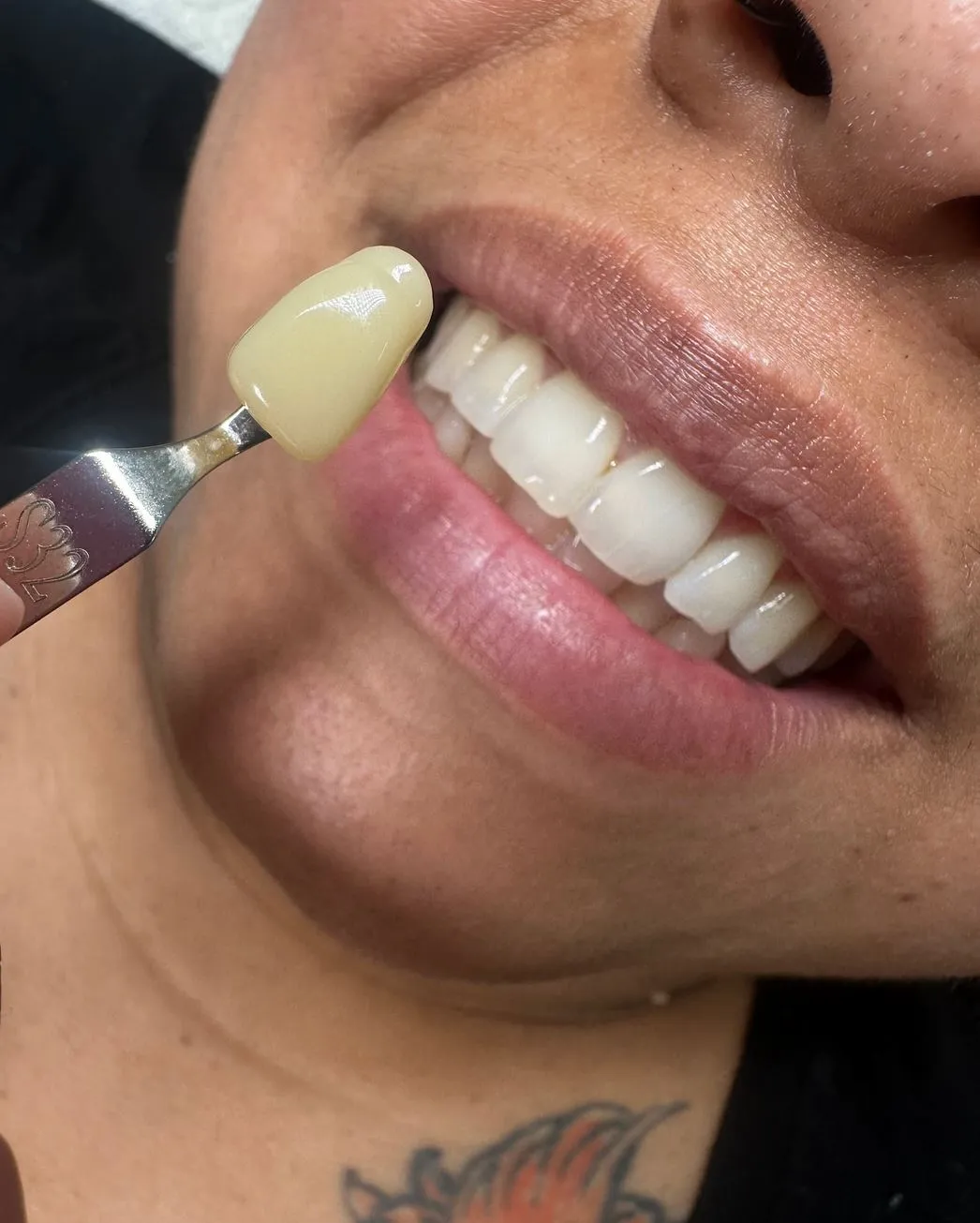
Teeth whitening is booming in Australia. According to recent industry trend data, the cosmetic teeth whitening market has grown over 15% since 2021 and is expected to hit $250 million by 2026. It’s an appealing add-on for salon owners, beauty therapists, and cosmetic businesses offering beauty services.
At Cosmetic Tattoo Brisbane Studio Face Figurati, for example, we’ve seen a surge in enquiries about adding whitening services alongside brow tattoos and skin treatments — especially from practitioners looking to upskill through a quality teeth whitening course.
But just because it’s popular doesn’t mean it’s always legal — or ethical.
As someone who runs a boutique beauty studio, I’ve had countless up-and-coming therapists ask me, “Can I offer teeth whitening without being a dentist?” It’s a valid question — and one that needs answering before you invest in training for beginners, treatment packs, or an amazing machine.
What the Law Says in Australia
In Australia, the Dental Board of Australia and Australian regulations govern any procedure involving teeth, gums, or oral health. Under the mandatory standard of the Health Practitioner Regulation National Law, only dental professionals can:
- Diagnose or treat gum diseases or tooth damage
- Administer or prescribe certain concentrations of hydrogen peroxide or carbamide peroxide
- Penetrate the enamel or affect the human teeth structure
This means most high-strength or professional teeth whitening treatments are only legal for qualified dentists.
So What Can Non-Dentists Do?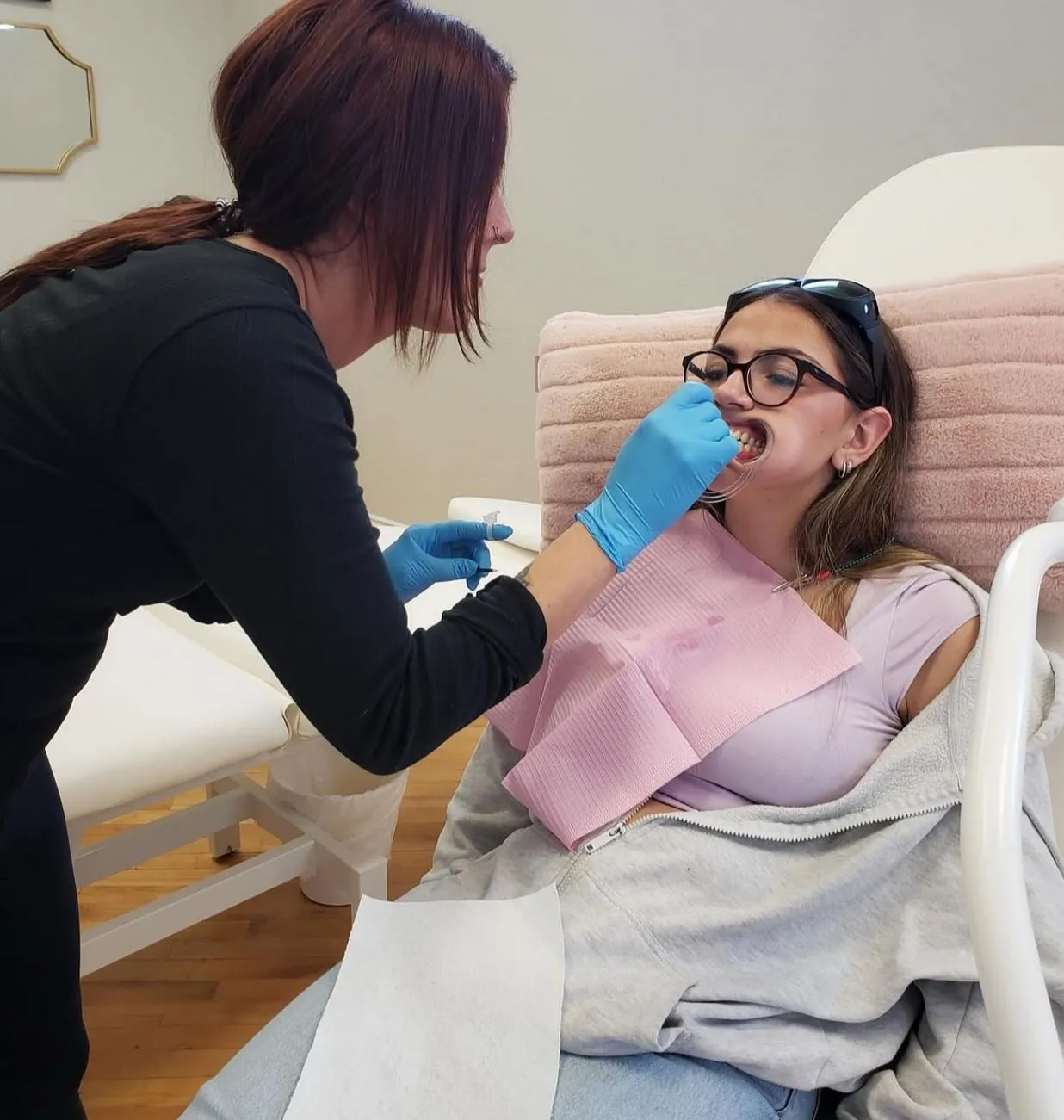
There is a cosmetic teeth whitening category that uses low or non-peroxide teeth-whitening products (typically under 6% hydrogen peroxide or 18% carbamide peroxide). These may legally be used by non-dentists only if the treatment is self-administered and the therapist does not touch the client’s mouth.
Think: You explain the correct technique, hand them the tray, and they use the cosmetic ingredients themselves.
| Professional | Can Perform In-Clinic Whitening? | Can Handle Peroxide Above 6%? | Must Be AHPRA Registered? |
|---|---|---|---|
| Qualified Dentists | Yes | Yes | Yes |
| Beauty Therapist | No (unless client-administered) | No (max 6% peroxide if at all) | No |
“Accredited Courses” vs Marketing Smoke and Mirrors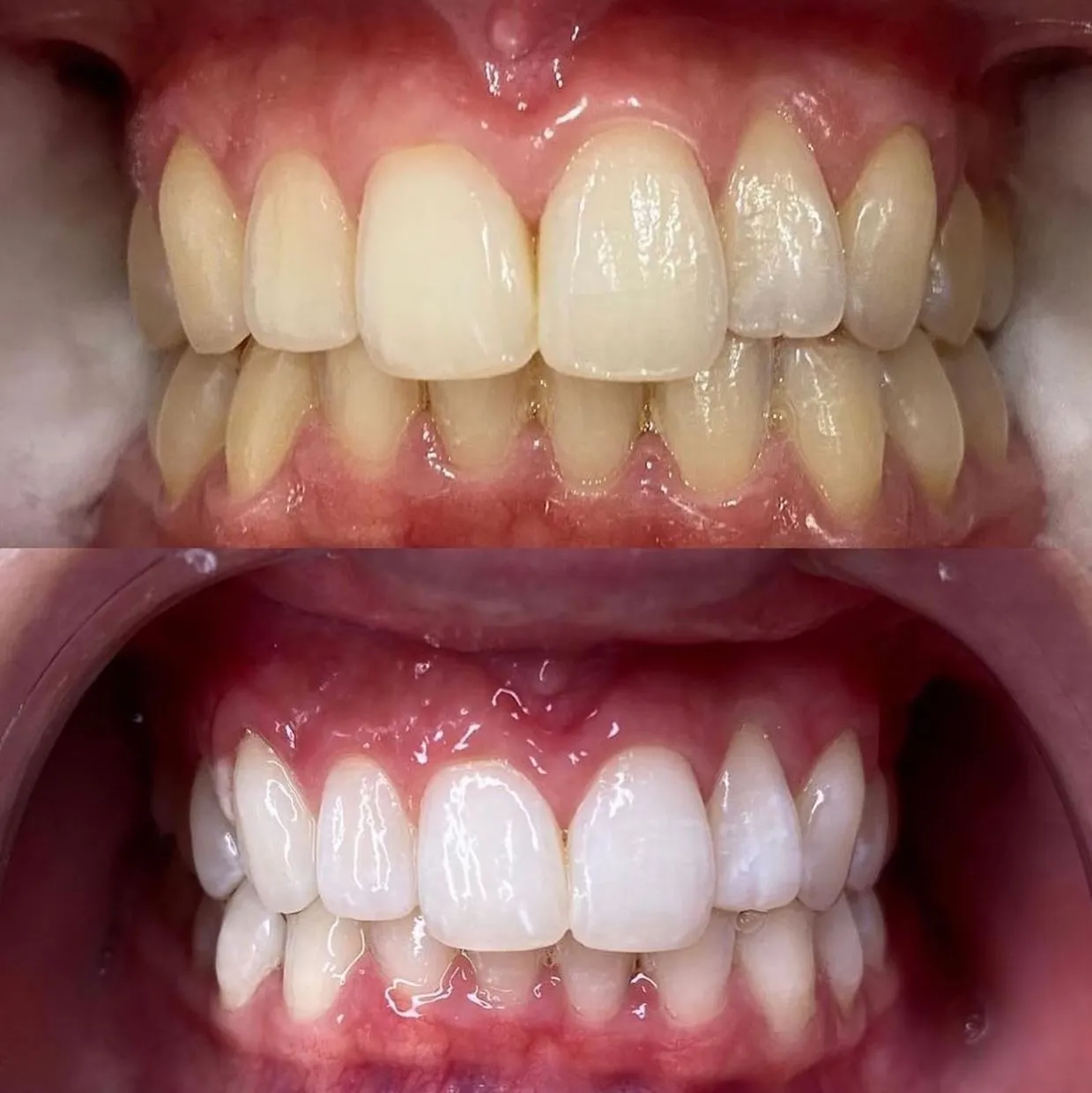
If you search “teeth whitening training Australia”, you’ll see heaps of courses claiming “certification,” “accredited teeth whitening,” or “certification machine included.” Some claim to offer advanced treatments or professional recognition.
Here’s the hard truth: there is no nationally accredited teeth whitening qualification in Australia for non-dentists. Any “certification” you get is from the training provider — not a government body.
That said, many beauty professionals still choose to take a reputable teeth whitening course to understand the cosmetic regulations and manage client safety properly.
Red Flags to Watch For:
- “Guaranteed legal compliance” without referencing dental professionals or legal requirements
- Claims of insurance coverage without naming underwriters
- Promises you can perform advanced treatments like office treatments or apply whitening gel to natural teeth
Client Safety, Insurance & Legal Liabilities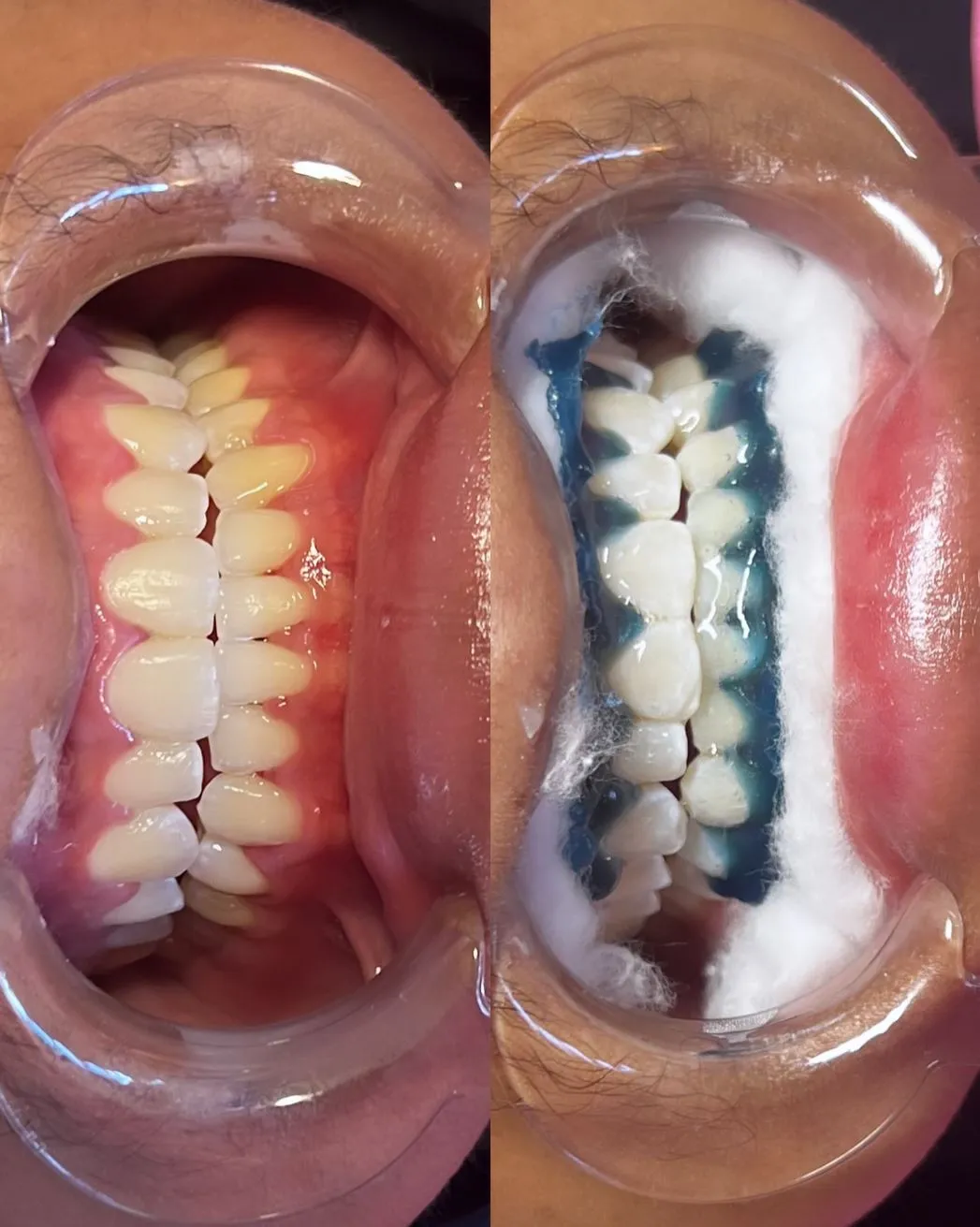
Even when working with cosmetic teeth treatments, you are still responsible for:
- Ensuring client safety, especially with risks like chemical burns, tooth sensitivity, and allergic reactions
- Screening for gum diseases, braces, veneers, or issues with the anatomy of teeth
- Following hygiene and cosmetic procedures that align with safety standards
Most beauty salons find it difficult to get insured unless they work in direct consultation with qualified dentists. If something goes wrong, such as irreversible procedure outcomes, your business judgment, client satisfaction, and legal compliance could all be questioned.
What Ethical Beauty Studios Are Doing in 2025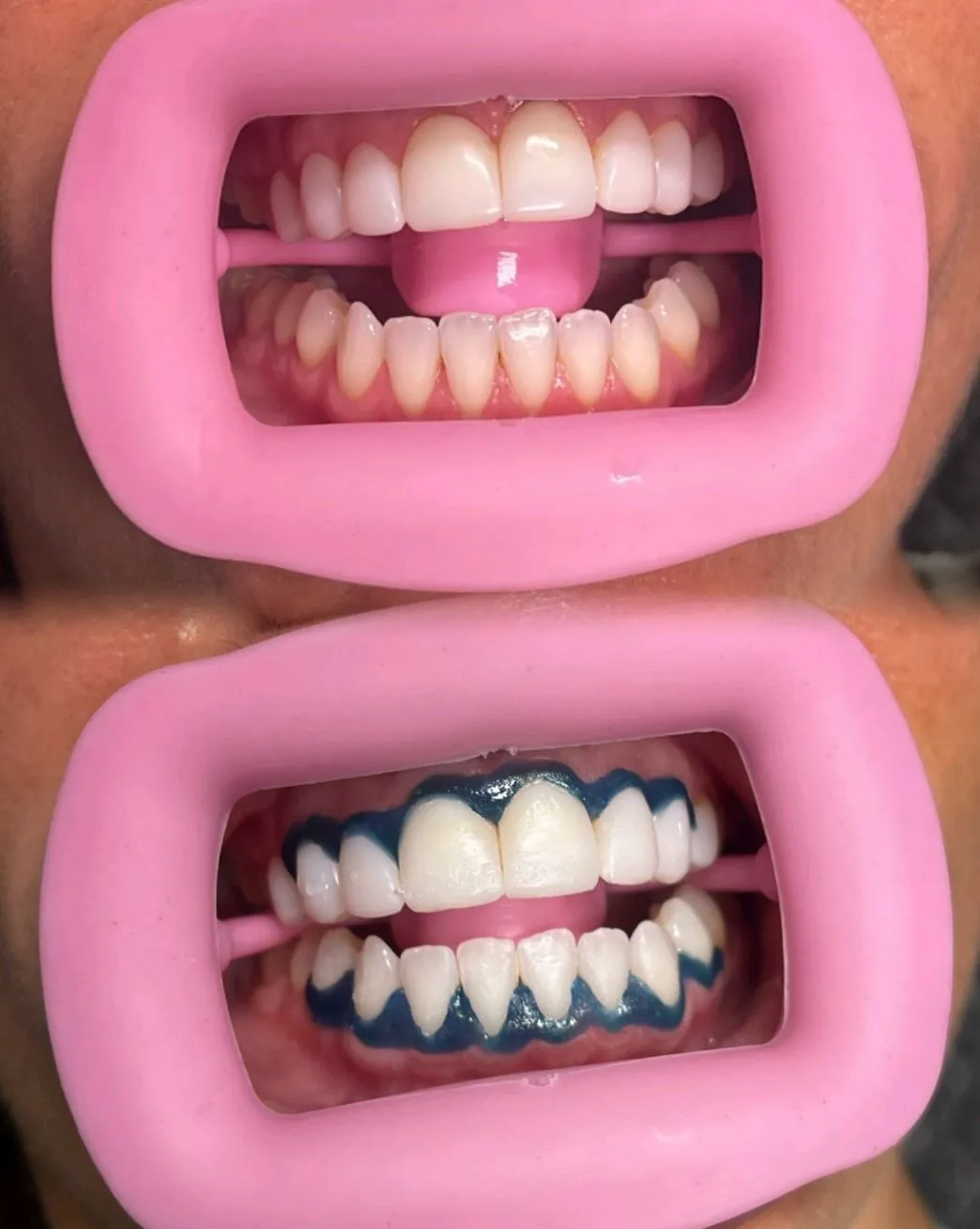
Today’s savvy beauty community members are:
- Offering only self-service cosmetic whitening services with signed waivers and treatment options clearly explained
- Partnering with dental professionals for in-clinic, advanced skills training and co-treatments
- Selling Australian regulations-compliant teeth whitener kits for take-home use
- Choosing business models that prioritise customer service, client base trust, and customer safety
Studios like Cosmetic Tattoo Brisbane Studio Face Figurati are leading by example — ensuring their team completes a comprehensive teeth whitening course and strictly follows safety protocols when discussing whitening options with clients.
Final Word
So, can you legally learn teeth whitening as a non-dentist? Technically, yes. Many online courses and in-person courses offer comprehensive training, training materials, and a range of courses in cosmetic teeth whitening. But legal requirements are strict. You cannot:
- Touch the client’s mouth
- Use professional teeth whitening gels with high peroxide concentrations
- Claim you’re delivering dental-grade whitening without being a dental professional
Whether you’re a business owner expanding your beauty enterprise or a beauty therapist wanting to grow a loyal client base, success comes from knowledge, not shortcuts. Study the rules. Use quality products. And when in doubt, ask.
If you’re considering a teeth whitening course, make sure it clearly outlines legal limits, safety procedures, and product handling standards that align with Australian regulations.
Got a question about accredited training or whether a kit meets the cosmetic regulations? Reach out — I’m happy to review the fine print.
FAQ
Can I apply whitening gel directly to a client’s teeth if I use low-peroxide products?
No. This counts as a dental procedure unless you’re a qualified dentist. Clients must self-apply.
What products are legal for non-dentists to use in cosmetic teeth whitening?
Usually products with under 6% hydrogen peroxide or 18% carbamide peroxide. Check with the TGA and your state authority.
Do I need a qualification to offer teeth whitening as a beauty therapist?
No legal qualification exists, but certification from cosmetic courses may help your customer preference and business confidence.
What happens if I get reported for offering illegal teeth whitening?
You risk fines, investigation, and loss of client trust. Know your legal requirements.
Is selling take-home kits a safer option?
Yes, especially when you ensure the product complies with cosmetic ingredients law and client instructions are clear.