At Cosmetic Tattoo Melbourne Studio, we see all types of ink walk through the door — but there’s something about fine line work that draws a particular kind of client. Whether you’re after a soft script, a geometric symbol, or a miniature flower, fine line tattoos are fast becoming the go-to for people who value subtlety over statement. But if you’re looking into getting a fine line tattoo in Melbourne, it’s worth knowing how long do fine line tattoos really last?
Let’s break down the science, skin factors, and straight-up facts you should know before booking that tiny tattoo — especially if you’re considering a fine line tattoo in Melbourne where climate, sun exposure, and lifestyle can all play a part. Spoiler: not all ink is forever — especially when it’s super fine.

Technique vs Trend
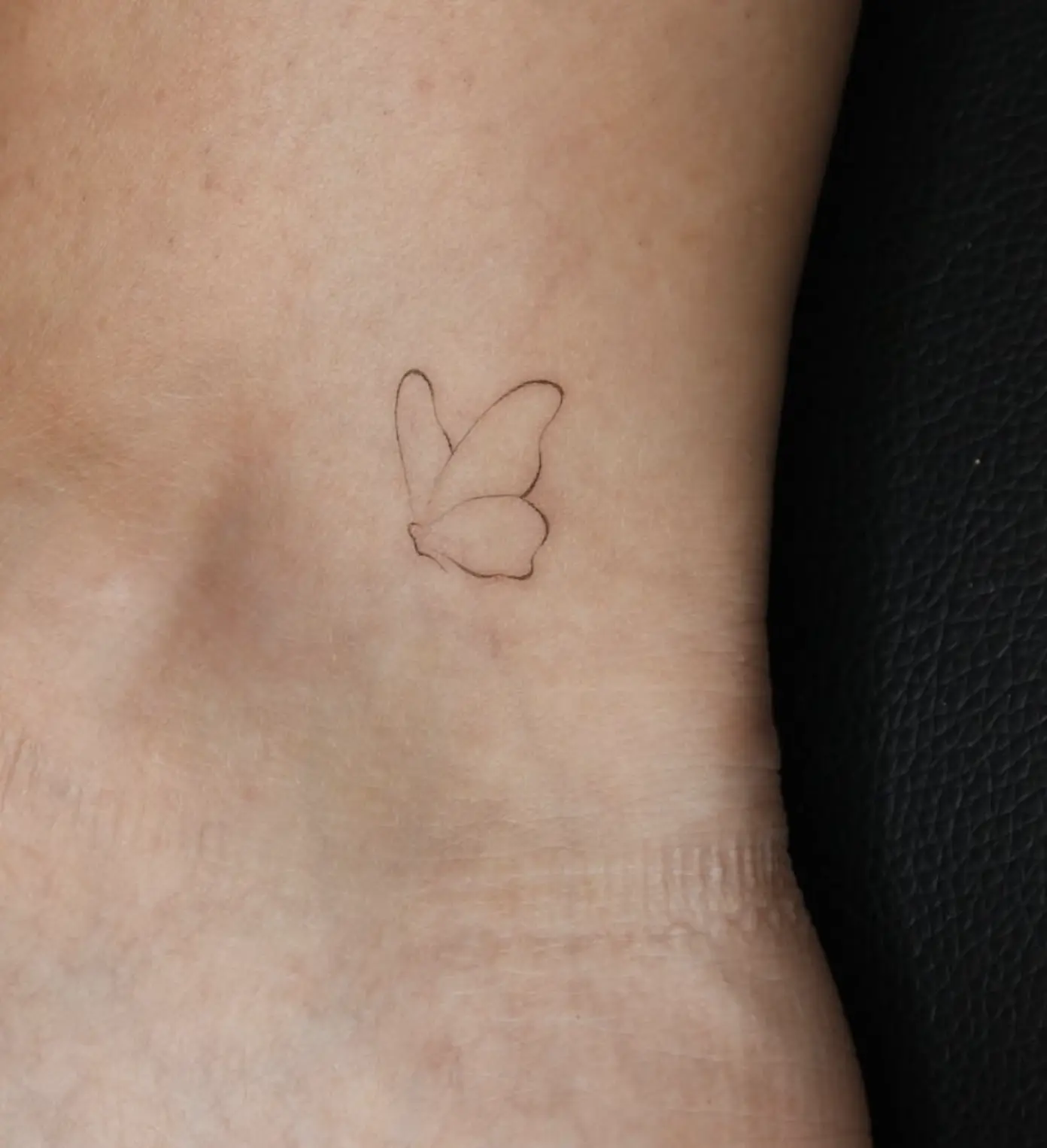
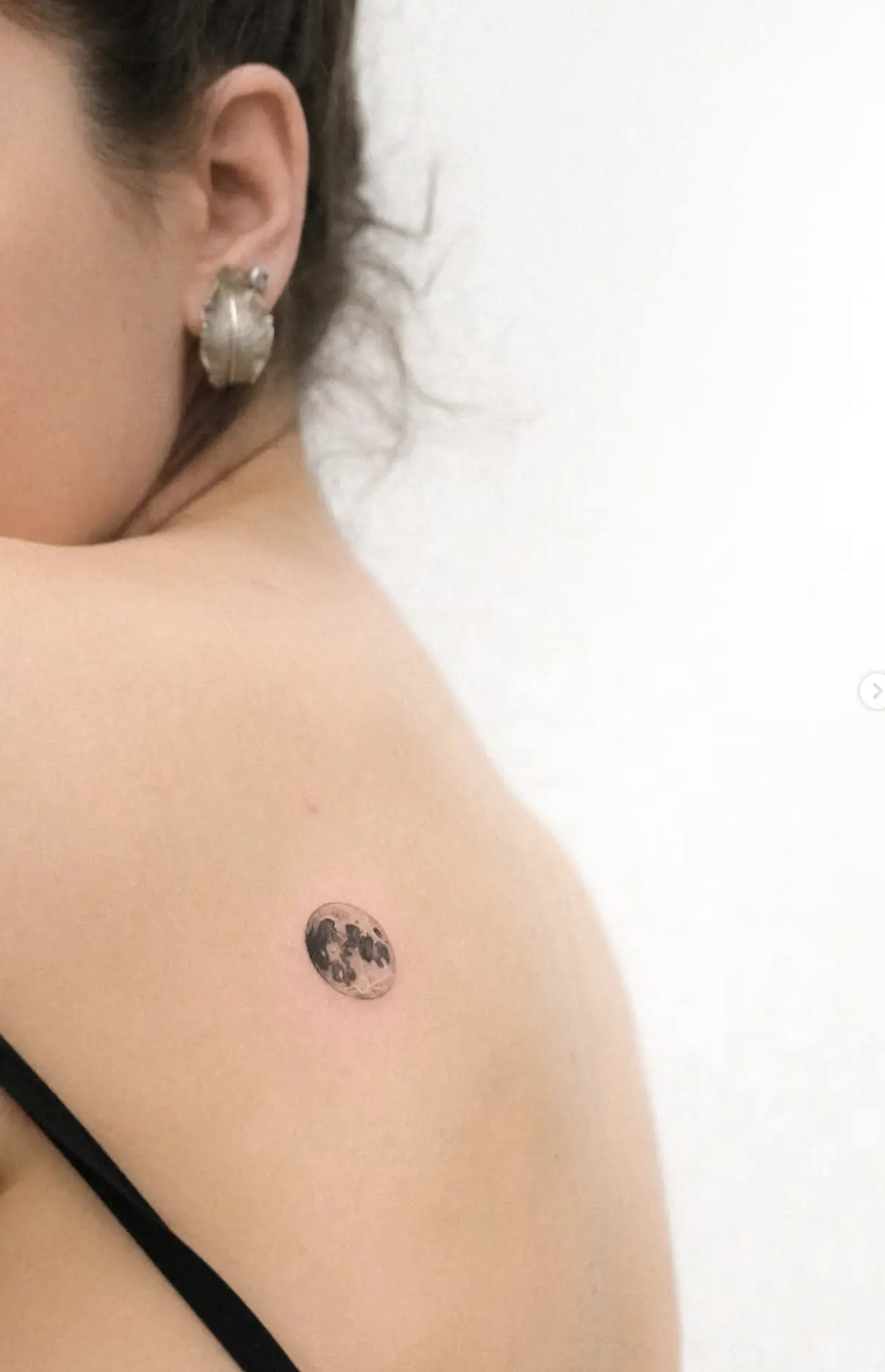
Fine line tattoos, sometimes referred to as single needle tattoos, use a single needle (or very small group of needles) to create delicate, often minimalist designs. Think hairline strokes, ultra-thin details, barely-there outlines, and high-detail miniatures. No thick outlines. No shading bombs. It’s precision work — a style of tattooing that prioritises clean lines, delicate techniques, and intricate designs.
Popular placements? Wrists, fingers, ankles, collarbones. All spots where the skin moves a lot and is more prone to wear — that matters for how your tattoo ages.
Compared to traditional tattoos, which use multiple needles and bolder strokes, fine line tattoos offer a more minimalist aesthetic and a lighter touch — but that also means they behave differently over time.
How Long Do They Actually Last?
On average, fine line tattoos begin softening after 1–2 years. They may fade, blur or spread out more quickly than regular tattoos. By 5–7 years, many need a touch-up or have lost their clarity over time.
Here’s a quick breakdown:
| Time Frame | What You Might Notice |
|---|---|
| 0–6 months | Fresh, crisp lines; maybe some initial fading in healing |
| 6–18 months | Some lines may soften, thicken, or blur slightly |
| 2–5 years | Noticeable fading or blurring in high-motion areas |
| 5+ years | Some designs may look smudged or fuzzy without a touch-up |
The Fade Factor
It comes down to the tattooing process, skin anatomy, ink quality, and lifestyle factors:
- Shallow needle depth: Fine line and single-needle tattoos often sit closer to the surface — the outermost layer of skin. That makes them more vulnerable to skin regeneration and the body’s natural exfoliation cycle.
- Smaller ink deposit: Less ink means less staying power in deeper layers.
- High-friction zones: Areas like fingers, wrists and feet experience daily movement, natural friction, and increased fading.
- Skin type matters: Oily skin, sensitive skin, thinner skin or mature skin can affect how the tattoo heals and holds ink over time.
- Tattoo in water: Frequent exposure to chlorinated or salt water, especially during healing, can compromise pigment.
- Sun exposure: Direct sunlight fades fine lines much faster than bold tattoos. Ink over time breaks down when exposed to UV.
Tips to Make Your Tattoo Last Longer
There are ways to extend the life of your ink. Here’s what I tell my clients in the studio:
Before You Tattoo:
- Choose a skilled tattoo artist who specialises in fine line and delicate designs. Technical skill is key when working with single needle styles.
- Avoid placements like sides of fingers if you want longevity over trendiness. Ideal placement matters.
- Don’t drink or tan the day before — it affects your skin’s condition and the healing process.
During the Tattooing Process:
- Ask your tattoo artist about high-quality inks and their preferences for minimalist tattoos.
- Know that minimalist designs don’t mean easier — the level of precision required is high, and not every artist is cut out for it.

Proper Aftercare:
- Keep it clean: use antibacterial soap and lukewarm water.
- Hydrate and protect the area — apply balm according to your artist’s aftercare instructions.
- No picking, scrubbing, or scratching while it heals.
- Wear protective clothing and apply sunscreen after it’s healed to reduce tattoo damage from sun exposure.
Care Practices and Maintenance Over Time:
- Limit exfoliation around the tattoo.
- Keep your skin hydrated and healthy to slow down fading.
- Schedule a touch-up session every few years to keep the ink crisp.
Tattoo Trends in 2025
According to recent industry reports from the tattoo industry and what we’re seeing in Australian studios:
- Micro tattoos and minimalist tattoos continue to boom — over 60% of first-time tattoo clients now opt for minimalist or fine line body art.
- Popular tattoos now lean toward ribcage, collarbone, and inner arm placements — areas with better longevity than hands and feet.
- Tattoo machines have advanced to support ultra-fine line work with improved consistency.
- Color inks are on the rise, but they don’t last as long as black, especially in delicate lines.
Not Always the Right Choice
Let’s keep it real. I advise clients to consider traditional tattoo styles or thicker tattoo styles if:
- You want your tattoo design to last without much upkeep
- You’re planning a flower tattoo or geometric design in a high-friction area
- Your skin type — whether it’s sensitive, oily, or naturally thin — might not hold precise lines well
- You want an original tattoo with lots of intricate details that may age poorly in fine line form
Remember, it’s not about saying no — it’s about making sure your art on skin has staying power.
What to Do When Ink Fades
Yes, but it takes care:
- A professional tattoo artist can rework a faded fine line tattoo if the skin isn’t too compromised
- Proper care post-touch-up is essential to prevent repeat fading
- Eventually, some tattoos are better off being transformed into a larger design or reworked with additional shading
Fine Line Tattoos vs. Traditional Tattoos: A Quick Comparison

| Feature | Fine Line Tattoos | Traditional Tattoos |
| Needle Type | Single needle or fine grouping | Multi-needle configurations |
| Appearance | Minimalist, delicate appearance | Bold, defined shapes |
| Longevity | Shorter lifespan without maintenance | Long-lasting, especially with bold lines |
| Ideal Skin Type | Healthy, well-hydrated, not too oily or thin | Most types, including thicker skin |
| Touch-Up Frequency | Every 1–3 years | Less frequent, usually every 5–10 years |
| Style Examples | Script, micro tattoos, minimalist designs | Traditional tattoo styles, art tattoos |
Final Thought
Fine line tattoos can be a beautiful form of body art and a powerful form of artistic expression. But they’re not for everyone — especially if you’re looking for something that won’t require careful aftercare or maintenance over time.
If you’re prepared to follow proper care routines, choose the right artist, and prioritise the healing process, these tattoos can remain a subtle and meaningful aesthetic throughout life.
Want help choosing a design and placement based on your skin type and lifestyle? Pop by the studio or message me. I’ll always give it to you straight.
FAQ
Do fine line tattoos hurt less than traditional ones?
Usually, yes — the needle is finer and doesn’t go as deep into the layers of skin. But pain depends more on placement and personal pain tolerance.
Are white ink or coloured fine line tattoos better or worse for longevity?
White and pastel color inks fade fastest. Black is still the gold standard for clean lines and staying power in minimalist tattoos.
Can I get fine-line tattoos if I have darker skin?
Absolutely, but contrast is key. Your tattoo artist may suggest slightly bolder tattoos or more negative space to maintain visibility and clarity over time.
How much do fine-line tattoos usually cost?
They can range from $100 to $400+ depending on size, placement, and the experience of the artist. Small doesn’t always mean cheap — you’re paying for intricate details and technical skill.
Do fine line tattoos peel or scab like normal tattoos?
They usually flake lightly rather than scab heavily, but the tattoo healing process still requires optimal healing and minimal sun exposure. Follow your aftercare routine for best results.