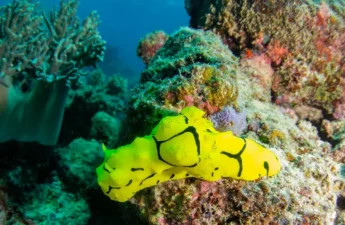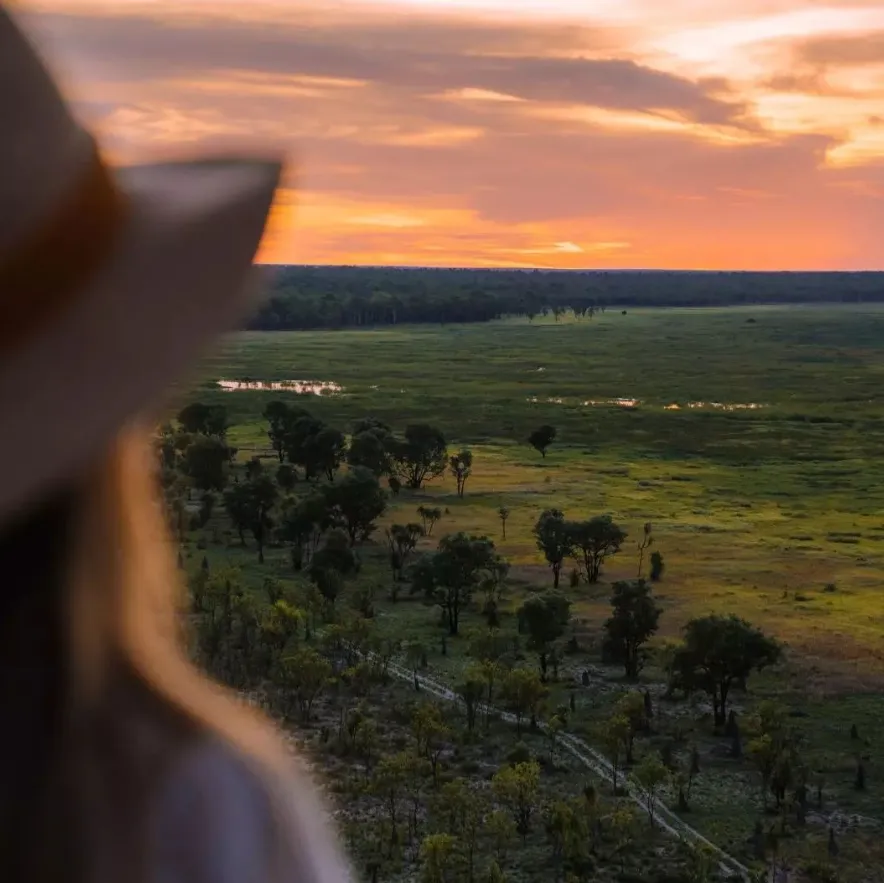
Kakadu National Park in the Northern Territory of Australia is a UNESCO World Heritage Site with incredible biodiversity and natural beauty. The park itself has different ecosystems such as savannah woodlands, rocky stone country and monsoon forests; so it’s perfect for nature lovers and other visitors.
Kakadu Ecosystems
Kakadu National Park has many ecosystems, each supporting different kinds of life:
- Savannah Woodlands: These open grasslands with scattered trees are home to agile wallabies and black wallaroos. You can see them grazing or moving around easily because of the open land.
- Stone Country: Rugged rock formations and ancient landscapes which are refuges for rock wallabies and chestnut-quilled rock pigeons. On one hand stone country is starkly beautiful compared to the lush wetlands within the park.
- Monsoon Forests: These forests are thick and tropical, providing sugar gliders and numerous frog species with habitats in which to survive. When the rains come during this season, everything turns green and bursts with life.
- Freshwater Billabongs and Tidal Flats: Places like Yellow Water billabong or Corroboree Billabong attract a range of species including water buffalo that come in large numbers and lots of other water birds too; so they are important areas especially when it comes to crocodiles since it’s dry season from late April to October.
- Coastal Waters and Floodplains: They are critical for migratory bird populations and aquatic organisms within them. And these areas are shallow waters and lily pads that provide habitat for many fish and amphibians.
Dry Season vs Wet Season
Kakadu has two seasons that offer different wildlife-spotting opportunities:
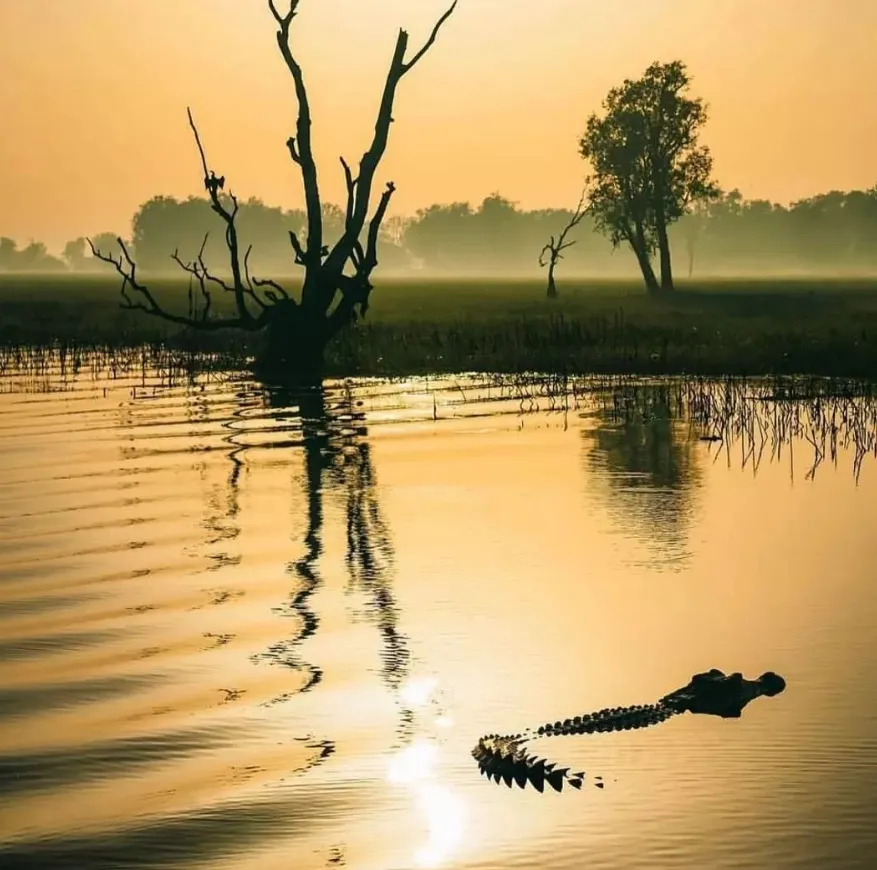
- Dry Season (May to October): Wildlife congregates around the remaining water sources as the water levels drop. Some of the best times to see saltwater crocodiles in the park would be when they are basking or patrolling their territory in places like Mary River and Yellow Water billabong. The cool temperatures and low humidity makes it easier to see wallaroos and various bird species.
- Wet Season (November to April): During this time, the billabongs flood, and everything is green. Some areas are inaccessible due to high water levels, but migratory birds and other wildlife can be seen during this time. Crocodile jumping displays in tidal rivers and a range of aquatics, including barramundi.
Wildlife in Kakadu National Park
Kakadu is home to an amazing array of wildlife, including:
Saltwater Crocodile
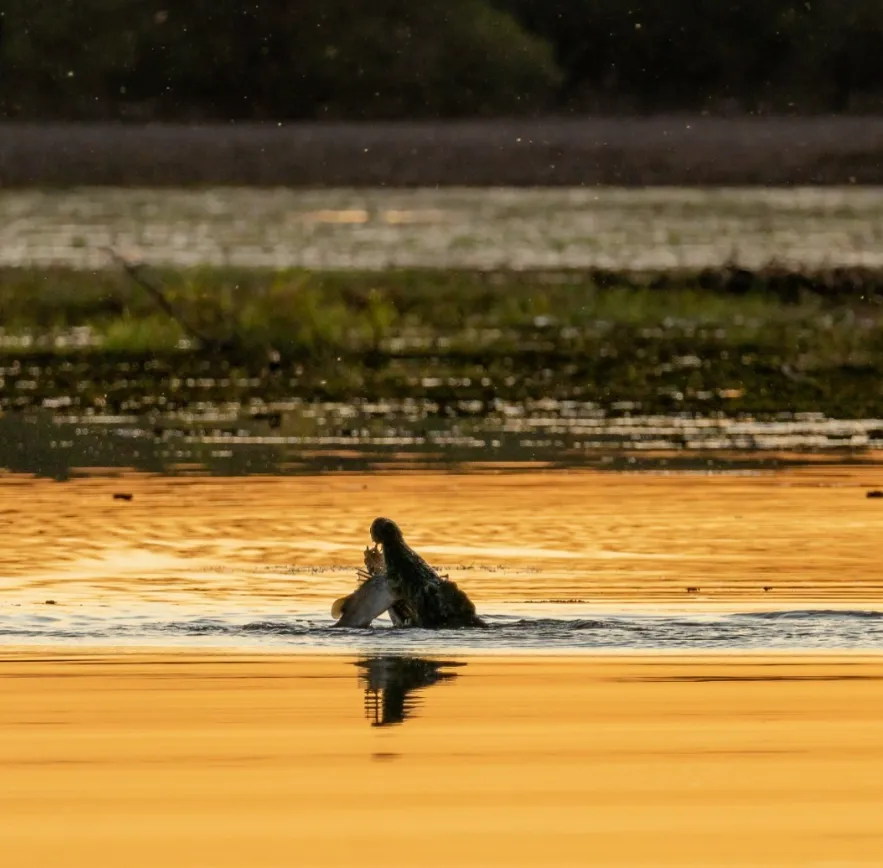
Among reptiles, the largest living species is the saltwater crocodile (Crocodylus porosus), with males growing up to 7m (23ft) and 1,000kg (2,200lb). These powerful predators are found in coastal waters, estuaries and tidal rivers, where they hunt for fish, birds and large mammals. Their size and bite force make them at the top of the food chain in their domain. Because of their stealth, they are generally aggressive, so you need to be extra careful and aware when in their territory. Wildlife tours focus on viewing these amazing creatures from a distance, which reminds us of nature and gives us space.
Freshwater Crocodile
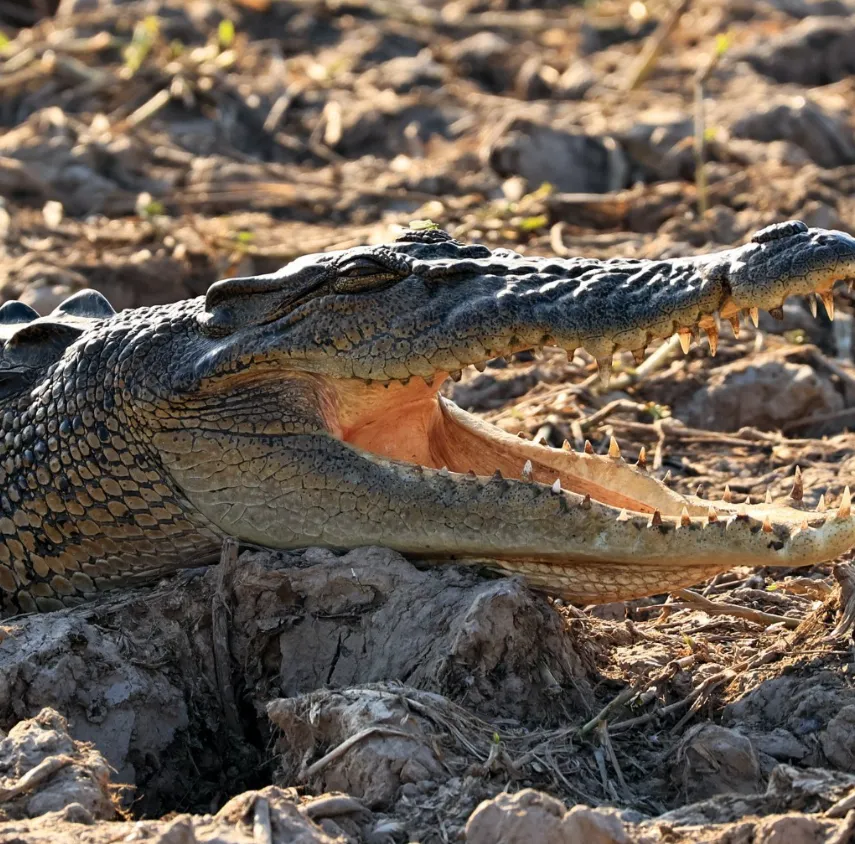
Adult freshwater crocodiles (Crocodylus johnstoni) rarely reach three meters (ten feet), unlike their saltwater cousins. They live in freshwater billabongs, rivers and streams throughout Kakadu National Park. But they are still wild animals, so always be careful when you are near them. Freshwater crocodiles play an important role in their environment by controlling fish numbers and other aquatic organisms, so they are part of the ecological balance. The freshwater areas of the park are good places to see these animals, especially at Yellow Water Billabong, where they often bask on the riverbanks or scavenge for food.
Kakadu Snakes
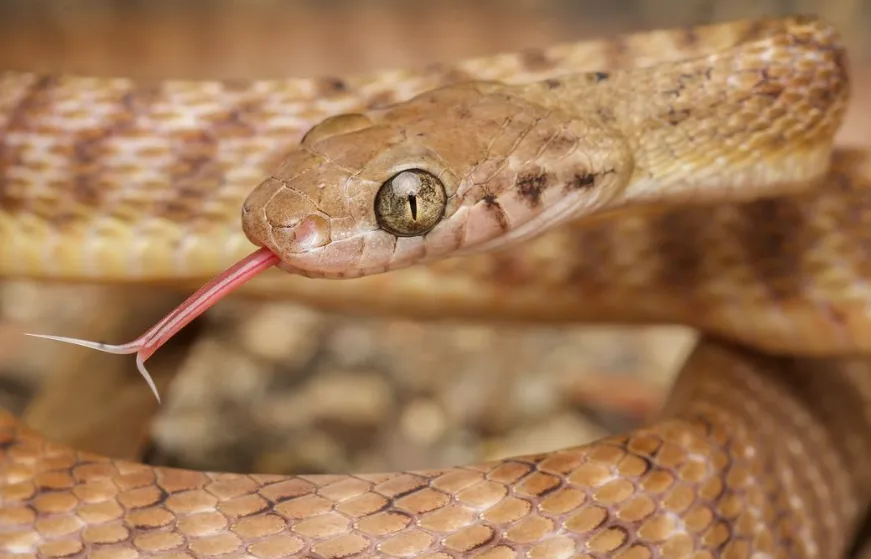
This array of snakes makes Kakadu National Park a must-visit for herpetologists or snake enthusiasts. The water python is another water-loving snake that thrives in the many wetlands in this park, while venomous ones include the king brown snake and Western Brown Snake, among others. Reptiles live in different habitats throughout the park, from woodlands and savannahs to rocky outcrops. But many of Kakadu’s snakes are shy of people. Visitors must keep their eyes open so they don’t have any such encounters.
Kakadu Frogs
The wet season in Kakadu National Park brings out the frogs, with many species emerging from their temporary hiding spots. One of the most striking is surely the green tree frog (Litoria caerulea) with its bright green skin and loud call. Other frog species are countless in the park’s aquatic ecosystems, like wetlands and floodplains, which contribute to the park’s biodiversity. For example, they control insect numbers and are food for many predators – they are part of the ecosystem.
Agile Wallabies
Among the marsupials you can see in Kakadu National Park, agile wallabies (Macropus agilis) are one of them. They live in savannah woodlands and open grasslands because of adaptation. These medium-sized wallabies have slim bodies and fast movement to escape predators and move through rough terrain in the park. Along with other marsupials like black wallaroo (Macropus bernardus) and common wallaroo (Macropus robustus), agile wallabies have their preferred habitats in this park all the time.
Birds
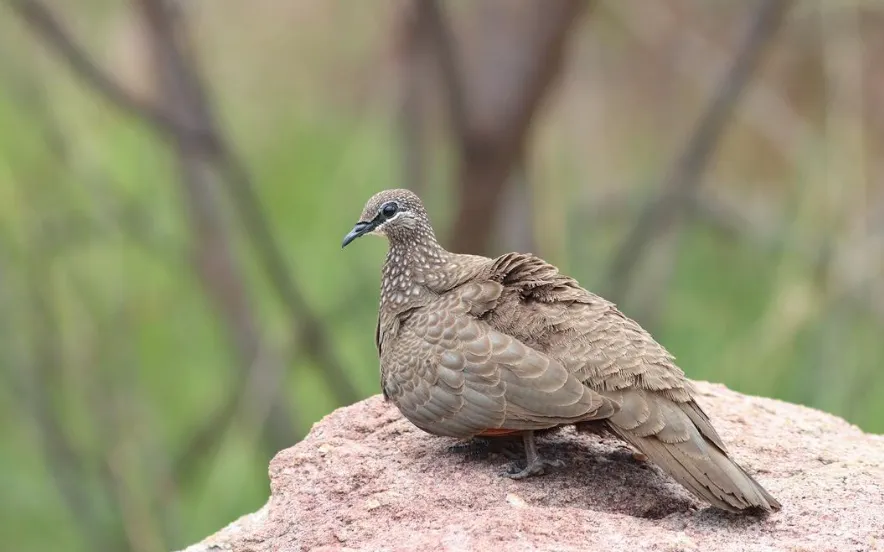
Kakadu National Park is a birdwatcher’s paradise, and there are over 280 species of birds. Some of the park’s birds are the chestnut-quilled rock pigeon (Petrophassa rufipennis) that sits on rocky outcrops and the blue-winged kookaburra (Dacelo leachii) that has a distinct call that echoes through the forest. Also, this park is an important stopover for migratory birds using the East Asian-Australasian Flyway. This variety of birds in Kakadu reflects the different ecosystems in the area, such as marshes, woodlands and savannahs.
Flying Foxes

The wet monsoon forests in this park have many flying fox colonies or fruit bats. These nocturnal mammals along with other bats like Pteropus alecto (black flying foxes) and Pteropus scapulatus (little red flying foxes) help with pollination and seed dispersal.Flying foxes hang on tree branches during the day while sleeping in large groups. At night they fly looking for ripe fruits, sweet nectar or fresh flowers so the plant life in the park is healthy.
Kakadu Waterbirds
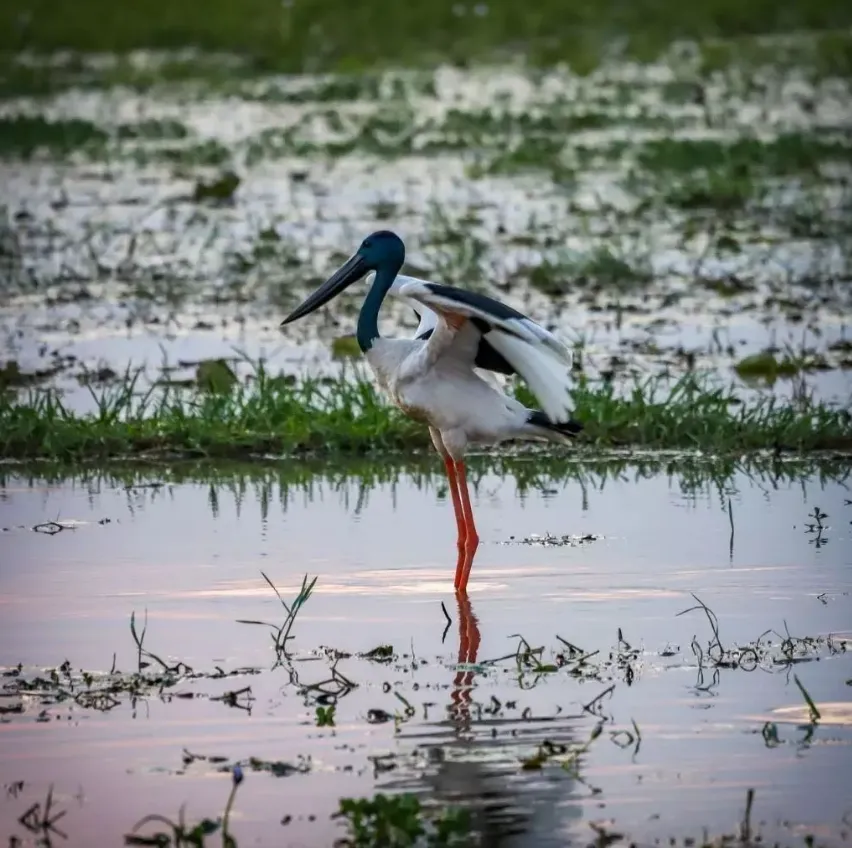
The different types of water in Kakadu have many waterbirds living around them, each adapted to the aquatic environment. An example of such a peculiar species is Irediparra gallinacea, or comb-crested jacana with long toes that allow it to walk on floating plants. Wetlands in Kakadu also have storks, such as magpie goose (Anseranas semipalmata), that can be seen dabbling in the shallow waters of billabongs and floodplains. These birds are important for wetland ecosystem processes, seed dispersal, pest control and nutrient cycling.
Sugar Gliders and Rock Wallabies
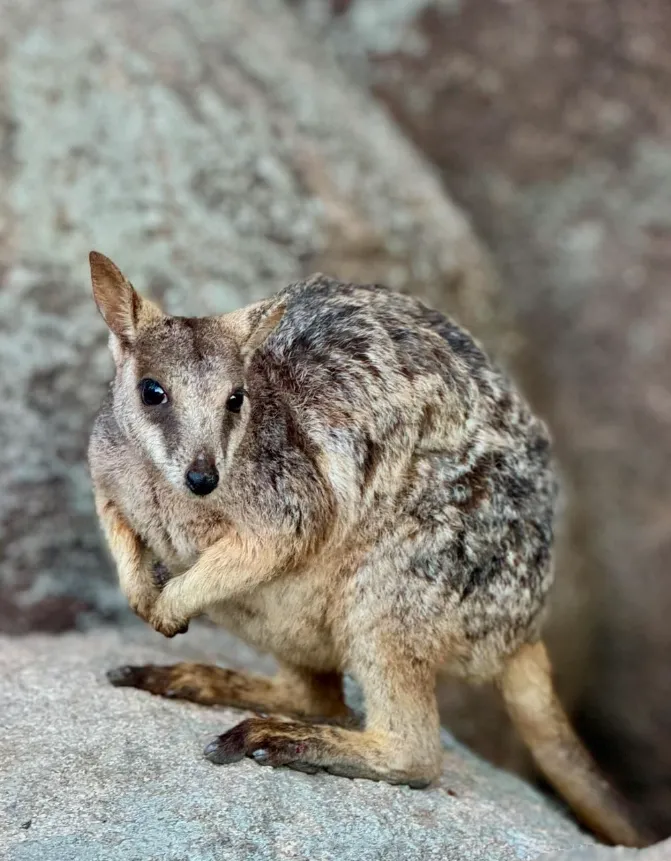
In Kakadu’s rocky country and bushland areas, there are many smaller mammals, such as sugar gliders (Petaurus breviceps) and rock wallabies (Petrogale spp.), that contribute to the diversity of the park. Sugar gliders are nocturnal and can move from one tree to another by gliding, while rock wallabies can climb through rocks like cats. Both are important in maintaining the biotic balance as they help spread seeds or control insect numbers. You can see them on night walks or when traversing the park’s rocky outcrops and bush areas.
Best Places to See Animals in Kakadu
Yellow Water Billabong
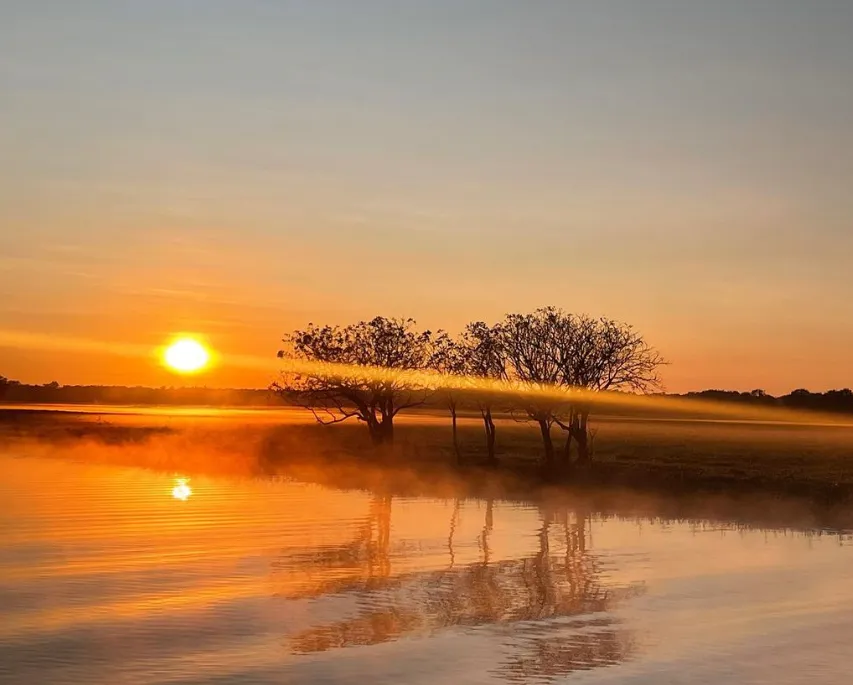
Yellow Water Billabong is one of the best places to see animals in Kakadu as it’s so biologically diverse.The wetlands here are considered one of the most diverse in the world. You’ll see crocs swimming through the water showing off their size and buffaloes roaming the floodplains with them and other animals.
Birders should get to Yellow Water Billabong. This billabong is home to many bird species like egrets, kingfishers and jabirus. Wildlife is most active early morning and late afternoon so these are the best times to visit. The peace and quiet of these times is perfect for birders and photographers to capture sunrise or sunset over the billabong. The changing colours of the sky and water make a great backdrop to record your memories of this haven.
Ubirr Rock
In addition to its cultural significance, Ubirr Rock is a great place to see animals. The rugged terrain and surrounding vegetation makes it the perfect rock wallaby habitat as they are often seen darting between the boulders. From the top of Ubirr Rock you can see out over the surrounding landscape to the floodplains and distant escarpments. At sunrise or sunset this viewpoint is amazing for the park’s natural beauty.
Burrungkuy (Nourlangie Rock)
For wildlife enthusiasts, Burrungkuy is a good spot to see many species. This area is home to the chestnut-quilled rock pigeons which are hard to see as they have distinctive feathers. Goannas and skinks are also found here, sunning on rocks or hiding in crevices.
Mary River National Park
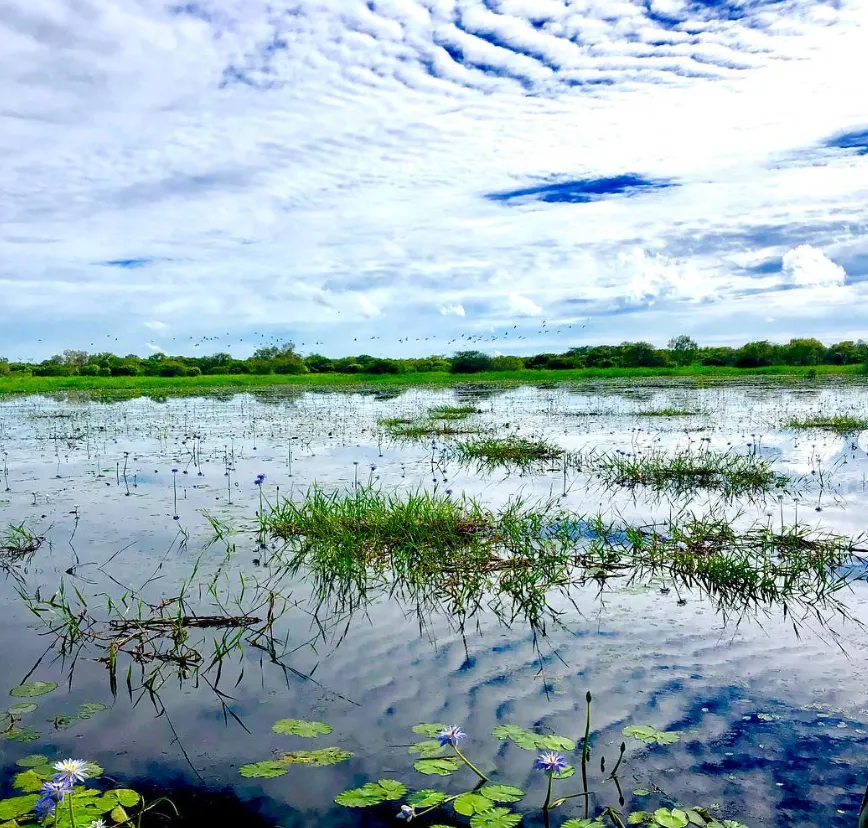
Mary River National Park is an ecosystem with wetlands and diverse habitats. You’ll find freshwater crocs and saltwater crocs in the major river systems and billabongs in the park. For these crocs, the Mary River itself is the lifeblood that provides resources and refuge.
Birders will also love the park’s birdlife. In the wetlands and adjacent woodlands live different bird species like rainbow bee-eaters, magpie geese, brolgas etc. The Mary River National Park offers many opportunities to see these birds in their natural habitat as they live in many different ecosystems. With its biodiversity and scenery, the Mary River National Park is a must see for nature lovers and wildlife enthusiasts.
Wildlife Watching Tips
- Be Early: Wildlife spotting requires patience; get here early morning or late afternoon when animals are most active.
- Bring Binoculars: Bring binoculars to get a closer look at distant wildlife, especially birds and reptiles.
- Respect Wildlife: Keep a safe distance from crocodiles that are not safe to interfere with their natural behaviour.
- Follow Park Rules: You need to follow the rules and regulations of this park; these rules are for your safety and for the survival of wildlife. Don’t feed animals on the official pathways.
- Travel with a Guide: To increase your chances of spotting wildlife, join an organized tour like Kakadu Crocodile Tour which will teach you about the different ecosystems in the park.
Kakadu Crocodile Tour
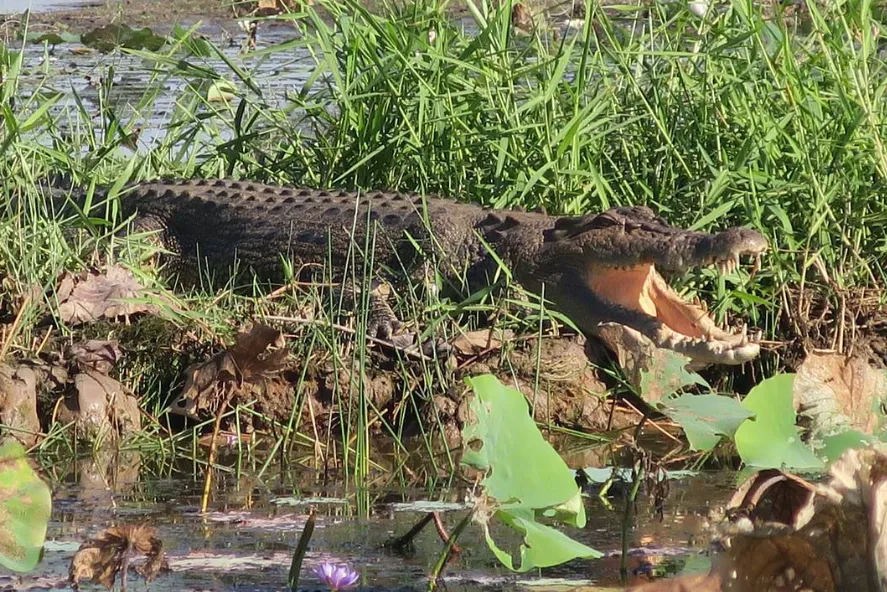
A guided boat tour through the winding rivers and billabongs of the park is one of those. The purpose of these tours is to get you up close with these reptiles while they are still living in their natural habitat. You can learn from experienced guides who know a lot about crocodile behaviour, habitat and ecology.
These boats allow you to get a close-up view of these magnificent creatures without threatening them, so it’s safe viewing. Basking on river banks or gliding silently across rivers displaying ancient hunting skills is what you may see as you cruise along the waterways where some crocs are resting peacefully.
Conclusion
Kakadu National Park is a treasure trove of wildlife and natural wonders, offering a diverse range of species and environments. From massive saltwater crocodiles to unique birdlife and slippery frogs, the park is home to an incredible variety of wildlife. For those seeking a once-in-a-lifetime experience, Kakadu Day Tours from Darwin provide the perfect opportunity to explore the park’s unique terrains and fauna. Whether you visit during the dry season or the wet season, Kakadu’s natural beauty will make your adventure unforgettable. Just remember to always follow the park’s rules to help preserve this precious ecosystem for generations to come.
FAQ
When to see wildlife in Kakadu?
The best time to see animals in Kakadu is when there is no rain (May-October). This is when the water resources are concentrated in the creeks, making it easier to see animals.
Where can I see saltwater crocodiles in Kakadu?
In other areas including Yellow Water Billabong, Mary River, Adelaide River etc. you can see saltwater crocodiles too. To see these creatures without putting yourself in danger there are guided tours such as Kakadu Crocodile Tour.
Where can I see rock wallabies in Kakadu?
Ubirr Rock and Burrungkuy.
Are there any guided tours for wildlife?
Yes, there are several guided tours in Kakadu, including crocodile tours and birding safaris, that provide safe wildlife viewing platforms by professionals.
How do I prepare for a wildlife trip to Kakadu?
Bring binoculars, dress for the weather, plan your visit according to the season; stay hydrated while observing wildlife from a safe distance.